Categories
Victims

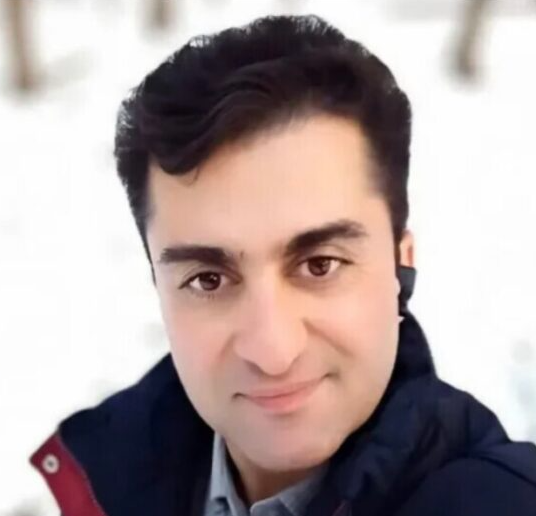
M., 24.02.2025. Batonned and gassed – Copenhagen

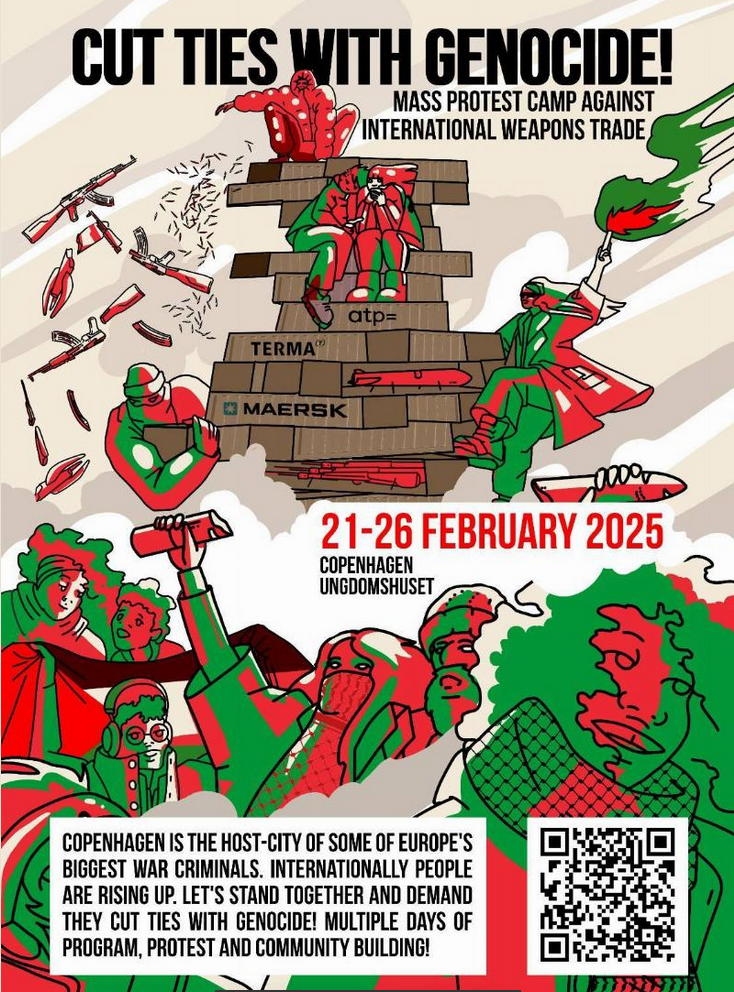
February 24, 2025 – Cut Ties with Genocide, blockading Maersk Headquarters for Palestine – Copenhagen
31 to 50 years old. Batonned, pepper-sprayed and tear-gassed : damaged nerves on shoulder and arm

Cut Ties with Genocide, action in front of Maersk offices, Copenhagen – February 24, 2025

M.: “I have damaged nerves that need a treatment”

“During an action/occupation of the compagny (against the Palestinian Genocide – Arming Israel amry), more less than 800 activists invested the Maerks company. We remained on site for any degradation or lessening of aggression by workers, police officers, etc. We were protesting peacefully.

The police surrounded us for several hours. They tried, on several occasions, to make us leave by pulling us by the arms and legs. Gradually, they put on their helmets, gas masks and came with police dogs. They tried to break through the groups of people seated and ended up gassing us and hitting us with their batons.

We got up to leave. They surrounded us and hit us with batons while our backs were to them. I was at the end of the line and I received two blows from a baton, one on the shoulder and one on the arm. It hit a nerve and I temporarily lost all feeling in the last three fingers of my left hand. They continued to gas and fired tear-gas canisters. We fled towards a park about a hundred meters from where we were.

I went to see a doctor. I have damaged nerves that need a treatment. If the numbing sensations do not go away after a month, I will need to do additional tests.

The police had no reason to beat us. We were pacifists even if we refused to leave the place. We sang slogans.”


Physical violence
 XKicks, punches, slaps
XFeet / knees on the nape of the neck, chest or face
 Blows to the victim while under control and/or on the ground
 Blows to the ears
 Strangulation / chokehold
 Painful armlock
 Fingers forced backwards
 Spraying with water
 Dog bites
 Hair pulling
 Tirage par les cheveux
 Painful tightening of colson ties or handcuffs
 Painfully pulling by colson ties or handcuffs
XUse of gloves
 Use of firearm
 Use of “Bean bags” (a coton sack containing tiny lead bullets)
 Use of FlashBall weapon
 Use of sound grenade
 Use of dispersal grenade
XUse of teargas grenade
 Use of rubber bullets weapon (LBD40 type)
XUse of batons
XUse of Pepper Spray
 Use of Taser gun
Psychological violence
 Charge of disturbing public order
 Charge of rebellion
 Accusation of beatings to officer
 Charge of threatening officer
 Charge of insulting an officer
 Threat with a weapon
XAggressive behaviour, disrespect, insults
 Calls to end torment remained unheeded
 Sexist remarks
 Homophobic remarks
 Racist comments
 Violence by fellow police officers
 Passivity of police colleagues
 Lack or refusal of the police officer to identify him or herself
 Vexing or intimidating identity check
XIntimidation or arrest of witnesses
 Prevented from taking photographs or from filming the scene
 Refusal to notify someone or to telephone
 Refusal to administer a breathalyzer
 Refusal to fasten the seatbelt during transport
 Refusal to file a complaint
 Refusal to allow medical care or medication
 Lies, cover-ups, disappearance of evidence
 Undress before witnesses of the opposite sex
 Bend down naked in front of witnesses
 Lack of surveillance or monitoring during detention
 Lack of signature in the Personal Effects Register during detention
 Confiscation, deterioration, destruction of personal effects
 Pressure to sign documents
 Absence of a report
 Deprivation during detention (water, food)
 Inappropriate sanitary conditions during detention (temperature, hygiene, light)
 Complacency of doctors
 Kettling (corraling protestors to isolate them from the rest of the demonstration)
 Prolonged uncomfortable position

Lorem ipsum dolor sit amet, consectetur adipiscing elit. Ut elit tellus, luctus nec ullamcorper mattis, pulvinar dapibus leo.

  • ObsPol Testimony
  • Lawyer :
  • Collective :
  • Donations :
Categories
Victims

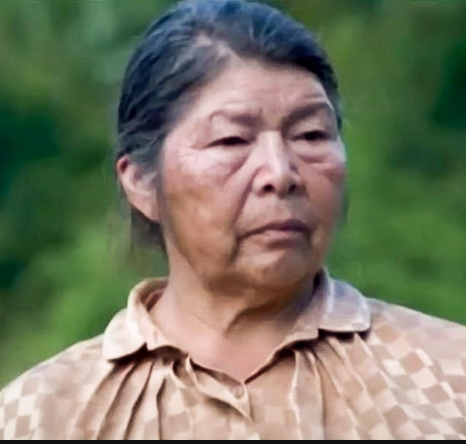
Julia del Carmen Chuñil Catricura, 08.11.2024. Disappeared – Máfil

November 8, 2024, home in Huichaco Sur, Máfil (Los Ríos)
77-year-old. Disappeared from her home altogether

Julia del Carmen Chuñil Catricura is a Chilean environmental activist of Mapuche ethnicity who currently presides over the Putreguel Indigenous Community. She is recognized for her work in defending native forests and protecting ancestral Mapuche lands in the commune of Máfil, in the Chilean region of Los Ríos.

On November 8, 2024, Julia disappeared in the commune of Máfil under circumstances yet to be clarified. On that day, she went to the territory “Reserva Cora Número Uno-A” with her sheepdog in search of some lost animals. She has not been seen since.

One of her sons explained that, while searching for his mother, he found tire marks from a pickup truck, an “unusual” vehicle in the region, which raised suspicions. Julia‘s house is a simple cabin, without electricity, running water, or cell phone signal, in an isolated area of the Valdivian temperate rainforest in southern Chile.

Since then, her family has continued to search for her. What began as a distressing disappearance has transformed into an investigation marked by irregularities, conflicting versions of events, and growing suspicions of criminalization. The case, which is currently causing tension in the Los Ríos Region, has been in the hands of the Public Prosecutor’s Office, first led by prosecutor Carlos Bahamondes and currently by his successor, Alejandro Ríos.

On November 10, a stick and a cushion were found in a “mediagua” (a small temporary shelter). The next day, the family filed a report for possible disappearance. Local residents stated that there were indications that the activist had been forcibly taken, including pickup truck tire marks, an unusual vehicle in that location.However, the strongest evidence was lost due to rain. Search operations were carried out in the following weeks.

On December 8, the activist’s family, along with the NGO Escazú Ahora, formalized a criminal complaint against all possible responsible parties for the disappearance, even without knowing exactly who is behind the facts. This measure aims to ensure that authorities initiate a broad investigation to identify and hold the culprits accountable once they are found.

On January 30, 2025, shortly after 2:00 p.m., Carabineros (Police) and personnel from the Prosecutor’s Office raided a home in Huichaco Sur, a rural area of the Máfil commune in the Los Ríos Region. The operation targeted the home of Jeannette Troncoso Chuñil, one of Julia‘s daughters, and included a large contingent from the GOPE (Government of the People’s Party), IAPA (Institutionalized Public Prosecutor’s Office), Labocar (Laboratories), and officials from the Public Prosecutor’s Office. Meanwhile, her brothers Pablo and Javier were in the so-called “recovery house.” No one in the family imagined that day would mark a new turning point in an investigation that, rather than providing answers, seemed to increase the number of questions.

On February 14, Pablo San Martín, Julia‘s son, declared that searches in the region had already been suspended and that the focus of the investigation had shifted to the activist’s sister, Jeanette, who, according to statements from her partner and the disappeared woman’s brother-in-law, came to be considered one of the suspects.

Following the January 10 operation, the Valdivia Court of Appeals rejected an appeal filed by Julia‘s relatives, who claimed the search at Jeannette’s home was illegal. In response to this ruling, part of the defense filed an appeal, challenging one of the main arguments used by the Prosecutor’s Office to justify the procedure: the alleged discovery of a piece of clothing with blood on it.

On January 30, while Pablo and Javier were at the Indigenous land reclamation center, a large-scale police operation was deployed at Jeannette Troncoso Chuñil’s home. It was during this time that Jeannette disappeared for several hours. Her family, without any official information, searched for her without success.

According to her testimony, at the beginning of the proceedings, a Labocar (Carabineros Criminalistics Laboratory) officer named Arriagada approached her and asked to talk for a few minutes. Jeannette accepted, unaware that she would be taken to a white van, where an informal but intense interrogation began. What she thought would be a brief conversation turned into an episode of harassment that, according to the defense, seriously violated her rights.

During the interrogation, Jeannette recounts that she was pressured to confess to a crime she didn’t commit. The conversation, which took place in the presence of the Los Ríos regional prosecutor, Tatiana Esquivel, escalated in tone and intensity. She recounted this in her statement:

“When your mother went missing, you were the only ones here. You are responsible. Tell the truth, that your husband was the one who did it to your mother. Because there’s blood inside, there’s everything, he told me. And you can’t be lying. And today we got your mother out of here.”

“And I said to him, how are they going to get her out? We’ve searched so much here. And I said, we’re going to find her right now. What else is going to happen? No, he told me. We’re getting her out today, he told me. And you’re still denying it? He told me, confess to the crime you committed. Confess.”

And he continues:

“And I kept insisting and insisting. That I confess and say it was us. And I told him, but my mom left here. My mom didn’t get lost here, I told him. My mom left with her friend over there. And I saw her when I was going there. No, she told me there are witnesses. There are witnesses who say her mom never left here. That her mom got lost here and didn’t leave. So you have to tell the truth. And there she was, going on and on, telling me that I had to tell the truth. What she wanted to say, what she wanted me to say, was that it was my husband and me. And confess, and confess. And all of a sudden she pulled out her gun. And that made me feel sick, I started shivering. Because I said, he’s going to point it at me. From his holster. Yes, he pulled it out, that’s it. And he told me, tell the truth, if you have to tell the truth. And besides, the prosecutor’s here, he told me. And she’s a woman, she’s going to understand. You’re going to, tell her, trust her. That’s what I told her, trust her and tell her the truth. Because she’s a woman and she’ll understand you more than I will.”

“The prosecutor then tells him: ‘Tell me, if you want to tell me something and you trust me, tell me.’ That’s the only time she speaks. ‘No,’ I told her, ‘I’m already saying everything there is. I have nothing more to say, I’m telling the truth.’ Fine. Arriagada gets out of the car and says: ‘Take her to Máfil immediately.'”

Attorney Karina Riquelme, who took on Pablo San Martín Chuñil’s defense in April, noted that a review of the case’s background revealed her client’s fear of being framed. In her opinion, the searches and investigations carried out by the Carabineros had exceeded the limits of what, in her opinion and that of the family, should be considered legally acceptable.

For Riquelme, the officers’ purpose was clear: to pressure Jeannette into incriminating herself in her mother’s eventual death. He explained that during the interrogation, they insisted that the body would be found that same day, and that there was already evidence of blood in the house, in order to force a confession.

For her part, Mariela Santana, a lawyer for the Corporation for the Promotion and Defense of People’s Rights (CODEPU), told Diario UChile that the complaints filed by the defense target both Carabineros officials and regional prosecutor Tatiana Esquivel.

According to the organization, the events described constitute—in its opinion—the crime of unlawful coercion in the context of one of the raids carried out against the Chuñil family. Santana explained that Jeannette Troncoso was threatened, forcibly transported in a police van, and that both her family and her lawyer were unaware of her whereabouts for several hours, while she was subjected to intimidation by police officers, all in the presence of the prosecutor. “This cannot happen again,” he concluded.

Physical violence
 Hustle / Projection
 Kicks, punches, slaps
 Feet / knees on the nape of the neck, chest or face
 Blows to the victim while under control and/or on the ground
 Blows to the ears
 Strangulation / chokehold
 Painful armlock
 Fingers forced backwards
 Spraying with water
 Dog bites
 Hair pulling
 Painfully pulling by colson ties or handcuffs
 Sexual abuse
 Use of gloves
 Use of firearm
 Use of “Bean bags” (a coton sack containing tiny lead bullets)
 Use of FlashBall weapon
 Use of sound grenade
 Use of dispersal grenade
 Use of teargas grenade
 Use of rubber bullets weapon (LBD40 type)
 Use of batons
 Use of Pepper Spray
 Use of Taser gun
 Use of tranquillisers
XDisappearance
Psychological violence
 Charge of disturbing public order
 Charge of rebellion
 Accusation of beatings to officer
 Charge of threatening officer
 Charge of insulting an officer
 Charge of disrespect
 Charge of resisting arrest
 Photographs, fingerprints, DNA
 Threat with a weapon
 Aggressive behaviour, disrespect, insults
 Charging without warning
 Car chase
 Calls to end torment remained unheeded
 Sexist remarks
 Homophobic remarks
 Racist comments
 Mental health issues
 Failure to assist a person in danger
 Harassment
 Arrest
 Violence by fellow police officers
 Passivity of police colleagues
 Lack or refusal of the police officer to identify him or herself
 Vexing or intimidating identity check
 Intimidation, blackmail, threats
 Intimidation or arrest of witnesses
 Prevented from taking photographs or from filming the scene
 Refusal to notify someone or to telephone
 Refusal to administer a breathalyzer
 Refusal to fasten the seatbelt during transport
 Refusal to file a complaint
 Refusal to allow medical care or medication
 Home search
 Body search
 Lies, cover-ups, disappearance of evidence
 Undress before witnesses of the opposite sex
 Bend down naked in front of witnesses
 Lack of surveillance or monitoring during detention
 Lack of signature in the Personal Effects Register during detention
 Confiscation, deterioration, destruction of personal effects
 Pressure to sign documents
 Absence of a report
 Detention / Custody
 Deprivation during detention (water, food)
 Inappropriate sanitary conditions during detention (temperature, hygiene, light)
 Complacency of doctors
 Kettling (corraling protestors to isolate them from the rest of the demonstration)
 Prolonged uncomfortable position

Lorem ipsum dolor sit amet, consectetur adipiscing elit. Ut elit tellus, luctus nec ullamcorper mattis, pulvinar dapibus leo.

  • Lawyer :
  • Collective :
  • Donations :
Categories
Victims

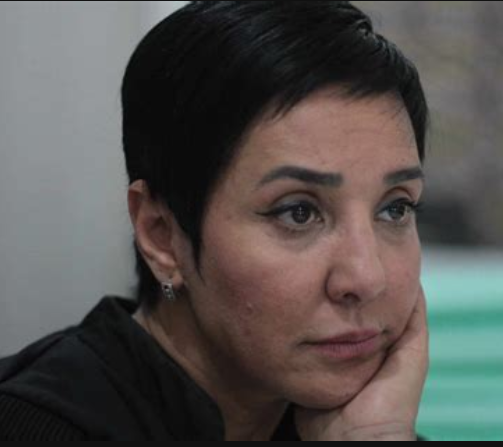
Sonia Dahmani, 11.05.2024. Arrested – Tunis

May 11, 2024 – Headquarters of the Tunis Bar Association – Tunis
Lawyer. Arrested by masked men and detained

Lawyer and columnist Sonia Dahmani was arrested on May 11, live on television, by masked police officers who burst into the headquarters of the Tunis Bar Association, where she had taken refuge. Her arrest and convictions were carried out under Presidential Decree 54, the lawyer added.

According to the National Union of Tunisian Journalists, dozens of journalists, lawyers and opposition figures have been prosecuted or sentenced on the basis of this decree since it came into force in 2022 under President Saïed, officially to combat the dissemination of false information, but criticized for its broad interpretation.

In May, the lawyer was accused of having ironized on a television set about the possibility of sub-Saharan migrants wanting to settle permanently in Tunisia despite a serious economic crisis. “What extraordinary country are we talking about?” she asked another commentator.

Another member of her defense team, Me Pierre-Francois Feltesse, added that the lawyer was still to be tried for three other cases. Following a visit to Tunis in July, Amnesty International’s Secretary General, Agnès Callamard, denounced a “drastic setback” for human rights in Tunisia and a “judiciary that has been undermined”.

Sonia Dahmani, in detention since May 11, was sentenced on Thursday October 24 to two years’ imprisonment under Presidential Decree 54 on the “dissemination of false news”, her lawyer, Chawki Tabib, told Agence France-Presse (AFP). “The Correctional Chamber of the Court of First Instance sentenced Sonia Dahmani to two years’ imprisonment for media statements on racism in Tunisia,” he said.

This outspoken columnist is being prosecuted in five cases for critical media statements, added Mr Tabib. On several occasions, she has spoken publicly about the situation of migrants in the country and the problems of racism. In July, she was sentenced to a year’s imprisonment at first instance in the first of these cases, a sentence reduced to eight months on appeal in September, for remarks deemed critical of President Kaïs Saïed.

Sonia Dahmani received a new two-year prison sentence on Monday June 30, 2025. She was sentenced for denouncing negrophobia in Tunisia, as well as that of the Head of State during a speech in 2023. At the time, he criticized the arrival of “hordes of illegal sub-Saharan migrants” and a ‘plot’ to change “the demographic make-up of Tunisia”, remarks which triggered a violent anti-migrant campaign in the country.

Physical violence
 Hustle / Projection
 Kicks, punches, slaps
 Feet / knees on the nape of the neck, chest or face
 Blows to the victim while under control and/or on the ground
 Blows to the ears
 Strangulation / chokehold
 Painful armlock
 Fingers forced backwards
 Spraying with water
 Dog bites
 Hair pulling
 Painfully pulling by colson ties or handcuffs
 Sexual abuse
 Use of gloves
 Use of firearm
 Use of “Bean bags” (a coton sack containing tiny lead bullets)
 Use of FlashBall weapon
 Use of sound grenade
 Use of dispersal grenade
 Use of teargas grenade
 Use of rubber bullets weapon (LBD40 type)
 Use of batons
 Use of Pepper Spray
 Use of Taser gun
 Use of tranquillisers
Psychological violence
 Charge of disturbing public order
 Charge of rebellion
 Accusation of beatings to officer
 Charge of threatening officer
 Charge of insulting an officer
 Charge of disrespect
 Charge of resisting arrest
 Photographs, fingerprints, DNA
 Threat with a weapon
 Aggressive behaviour, disrespect, insults
 Charging without warning
 Car chase
 Calls to end torment remained unheeded
 Sexist remarks
 Homophobic remarks
 Racist comments
 Violence by fellow police officers
 Passivity of police colleagues
 Lack or refusal of the police officer to identify him or herself
 Vexing or intimidating identity check
 Intimidation or arrest of witnesses
 Prevented from taking photographs or from filming the scene
 Refusal to notify someone or to telephone
 Refusal to administer a breathalyzer
 Refusal to fasten the seatbelt during transport
 Refusal to file a complaint
 Refusal to allow medical care or medication
 Lies, cover-ups, disappearance of evidence
 Undress before witnesses of the opposite sex
 Bend down naked in front of witnesses
 Lack of surveillance or monitoring during detention
 Lack of signature in the Personal Effects Register during detention
 Confiscation, deterioration, destruction of personal effects
 Pressure to sign documents
 Absence of a report
 Deprivation during detention (water, food)
 Inappropriate sanitary conditions during detention (temperature, hygiene, light)
 Complacency of doctors
 Kettling (corraling protestors to isolate them from the rest of the demonstration)
 Prolonged uncomfortable position
  • 30.06.2025 – Sentenced to another 2-year in prison
  • 24.10.2024 – Sentenced to two years in prison under Presidential Decree 54 on “spreading false news”
  • 00.09.2024 – Sentenced reduced to 8 months in appeal
  • 00.07.2024 – Sentenced to 1 year in prison
  • 11.05.2024 – Arrest

Lorem ipsum dolor sit amet, consectetur adipiscing elit. Ut elit tellus, luctus nec ullamcorper mattis, pulvinar dapibus leo.

  • Lawyer :
  • Collective :
  • Donations :
Categories
Victims

Hussein Bourekba, 12.03.2024. Arrested – Agadir

March 12, 2024 – In a café in the Al-Huda neighborhood near the campus of Ibn Zohr University
23 year-old. Arrested on fabricated charges and jailed

Two Sahrawi students have been arbitrarily sentenced to two years in prison by a court of the Moroccan occupation authorities in Agadir, Sahrawi human rights activists told SPS.

According to the same sources, the Sahrawi students and political prisoners, Hussein Bourekba and Ayman Al-Yathribi, who are in detention, were charged by the Moroccan occupation court with false and fabricated charges, including unlawful assembly, assault on civil rights protesters, theft, , participation in a robbery, and physical assault, along with other criminal and political charges, even though some witnesses renounced their testimonies and the two Sahrawi students categorically denied all the accusations.

On June 6, 2024, the Court of First Instance of the Moroccan city of Agadir issued its unjust preliminary ruling against the two Sahrawi political prisoners, Hussein Bourekba and Ayman Al-Yathribi, with a sentence of up to ten years of effective imprisonment, in the context of their student activity and their political positions that claim the right of the Sahrawi people to self-determination and independence. However, the court was unable to present any credible evidence supporting the charges against them, as witnesses testified in court that they did not recognize the accused, contradicting their earlier statements in police records that had been used as the basis for the convictions.

The two Sahrawi students and political prisoners were arrested on January 23, 2024, and March 12, 2024, following a heated debate and provocation by Moroccan students who sought to impose their views on the official Moroccan position regarding the occupied Western Sahara.

Both students were subjected to ill-treatment during their detention and went on multiple hunger strikes in protest of their harsh conditions.

Physical violence
Arrest
XDetention / Custody
 Hustle / Projection
 Prone position / lying flat on the stomach / ventral decubitus
 Folding” (holding a person in a seated position with their head resting on their knees)
 Painful armlock
 Kicks, punches, slaps
 Feet / knees on the nape of the neck, chest or face
 Blows to the victim while under control and/or on the ground
 Blows to the ears
 Strangulation / chokehold
 Fingers forced backwards
 Spraying with water
 Dog bites
 Hair pulling
 Painful tightening of colson ties or handcuffs
 Painfully pulling by colson ties or handcuffs
 Sexual abuse
 Striking with a police vehicle
 Electric shocks
 Use of gloves
 Use of firearm
 Use of “Bean bags” (a coton sack containing tiny lead bullets)
 Use of FlashBall weapon
 Use of sound grenade
 Use of dispersal grenade
 Use of teargas grenade
 Use of rubber bullets weapon (LBD40 type)
 Use of batons
 Use of Pepper Spray
 Use of Taser gun
 Use of tranquillisers
 Torture / Inhumane and degrading treatment
 Execution
 Kidnapping
 Disappearance
Psychological violence
 Charge of disturbing public order
 Charge of rebellion
XAccusation of beatings to officer
 Charge of threatening officer
 Charge of insulting an officer
 Charge of disrespect
 Charge of resisting arrest
 Aggressive behaviour, disrespect, insults
 Intimidation, blackmail, threats
 Vexing or intimidating identity check
 Mock execution
 Intimidation or arrest of witnesses
 Prevented from taking photographs or from filming the scene
 Calls to end torment remained unheeded
 Prolonged uncomfortable position
 Failure to assist a person in danger
 Photographs, fingerprints, DNA
 Threat with a weapon
 Shooting in the back
 Charging without warning
 Kettling (corraling protestors to isolate them from the rest of the demonstration)
 Car chase
 Sexist remarks
 Homophobic remarks
 Racist comments
 Intervention in a private place
 At the police station
 Mental health issues
 Harassment
 Body search
 Home search
 Violence by fellow police officers
 Passivity of police colleagues
 Lack or refusal of the police officer to identify him or herself
 Refusal to notify someone or to telephone
 Refusal to administer a breathalyzer
 Refusal to fasten the seatbelt during transport
 Refusal to file a complaint
 Refusal to allow medical care or medication
 Lies, cover-ups, disappearance of evidence
 Undress before witnesses of the opposite sex
 Bend down naked in front of witnesses
 Lack of surveillance or monitoring during detention
 Lack of signature in the Personal Effects Register during detention
 Deprivation during detention (water, food)
 Inappropriate sanitary conditions during detention (temperature, hygiene, light)
 Sleep deprivation
 Confiscation, deterioration, destruction of personal effects
 Pressure to sign documents
 Absence of a report
 Complacency of doctors
  • 07.01.2025 – Sentenced to 2 years in prison by Court of Appeal in Agadir
  • 06.06.2024 – Preliminary ruling by Court of First Instance of the Moroccan city of Agadir
  • 12.03.2024 – Arrest of Hussein
  • Lawyer :
  • Collective :
  • Donations :
Categories
Victims

Amaia Zabarte, 05.03.2024. Hit in the back of the head – San Sebastián

March 5, 2024 – near the Anoeta stadium – San Sebastián
44 year-old. Struck by foam ball to the head, then being kicked by an Ertzaintza (Basque police) officer : neurological damage

n March 5th, when, before the Champions League match between Real Sociedad and Paris Saint-Germain, Amaia Zabarte was struck in an unjustified police charge by the Ertzaintza (Basque Police) near the Anoeta stadium. She attended the match as just another Real Sociedad fan, with her husband and nine-year-old son. She was admitted to the ICU at Donostia Hospital after being hit in the back of the head during clashes 

On a  a 41-second video showing Amaia  can be seen falling to the ground after being struck by something heavy, and then being kicked by an Ertzaintza (Basque police) officer. It provides insight into what Amaia did. As her husband, Joseba Novoa, stated on SER DEPORTIVOS GIPUZKOA radio

She didn’t act recklessly, nor was she unconscious; she wasn’t to blame for what happened to her,” contrary to what they’ve been led to believe. “It’s social justice for Amaia, for my wife. I said I wouldn’t stop until we clarified what happened, and now with these images, we see what happened, and now everyone can draw their own conclusions”. From now on, “the evidence speaks for itself,” and they hope that the justice system will take action, “open proceedings, and summon the parties involved to testify.

“18 months since they almost killed” his wife “in front of dozens of Ertzaintza officers, barely 20 meters away ,” and that “to this day, the Ertzaintza has not brought the perpetrator before a judge.”

” The investigation is not just disastrous, it’s beyond disastrous . To this day, the investigating judge has not taken a statement from any Ertzaintza officer, and she won’t until November,” 

“How can it be that in front of dozens of Ertzaintza officers they almost killed my wife and they still haven’t found the perpetrator? What do they think society is going to think? That the Ertzaintza is a completely incompetent force, or that they clearly know who the perpetrator is and don’t want to reveal him?”

The case prompted an internal investigation by the Ertzaintza (Basque Police) and the release of a video of the incident , leading the EH Bildu and Sumar groups to demand in the Basque Parliament that those responsible for the incident be held accountable.

In parallel, the Court of Instruction number 4 of San Sebastián opened an investigation into the matter for public disorder, although it provisionally dismissed it shortly afterwards due to the absence of a known perpetrator.

This dismissal was appealed by the victim’s family to the Third Section of the Gipuzkoa Provincial Court, which decided to revoke the provisional dismissal of the case and ordered the investigating court to carry out new investigative procedures, including taking a statement from the victim , which took place on April 7.

Several Ertzaintza officers have begun testifying in San Sebastián (Gipuzkoa) on charges related to the incidents that occurred around the Reale Arena stadium before the Real Sociedad-PSG football match. The case had to be reopened by order of the Gipuzkoa Provincial Court, and the San Sebastián judge needed twenty months to summon the officers to testify. They began appearing in court this Tuesday. The Public Prosecutor’s Office did not even appear, so any requests for conviction will be left to the private plaintiffs.

As has happened in many other Ertzaintza attacks, the judge tried to close the case as quickly as possible, without even hearing from the victims, but the Gipuzkoa Provincial Court forced him to reopen the case this time.

The police version

According to the newspaper Gara, the first officer to testify was the one in command of the three Ertzaintza vans on March 5, 2024. According to Amaia”s lawyer, that officer denied what seemed indisputable: he said that “they hadn’t fired foam projectiles” and that “he didn’t see any officer kick Zabarte,” despite video evidence to the contrary.

The police officer who kicked Amaia while she was on the ground defended his actions in April, claiming she had “tripped.” He maintained this same version in his statement on Tuesday. Furthermore, the aforementioned Ertzaintza commander suggested to the judge that Amaia “fell to the ground the first time because a stone hit her,” despite the fact that, as Gara points out , the footage shows her falling to the ground because of something thrown from where the Ertzaintza were positioned.

The recordings show no altercation before the Ertzaintza’s charge, but even so, the police have maintained their version: that they supposedly “suffered attacks” that afternoon and that is why they charged at the people. However, they have not proven this claim at all. One of the officers, in giving his testimony, explained that there was no disturbance until 10 minutes before the charge, because the match was about to start.

Physical violence
 Arrest
 Detention / Custody
 XHustle / Projection
 Prone position / lying flat on the stomach / ventral decubitus
 Folding” (holding a person in a seated position with their head resting on their knees)
 Painful armlock
 XKicks, punches, slaps
 Feet / knees on the nape of the neck, chest or face
 Blows to the victim while under control and/or on the ground
 Blows to the ears
 Strangulation / chokehold
 Fingers forced backwards
 Spraying with water
 Dog bites
 Hair pulling
 Painful tightening of colson ties or handcuffs
 Painfully pulling by colson ties or handcuffs
 Sexual abuse
 Striking with a police vehicle
 Electric shocks
 Use of gloves
 Use of firearm
 Use of “Bean bags” (a coton sack containing tiny lead bullets)
 Use of FlashBall weapon
 Use of sound grenade
 Use of dispersal grenade
 Use of teargas grenade
 Use of rubber bullets weapon (LBD40 type)
XUse of batons
 Use of Pepper Spray
 Use of Taser gun
 Use of tranquillisers
 Torture / Inhumane and degrading treatment
 Execution
 Kidnapping
 Disappearance
Psychological violence
 Charge of disturbing public order
 Charge of rebellion
 Accusation of beatings to officer
 Charge of threatening officer
 Charge of insulting an officer
 Charge of disrespect
 Charge of resisting arrest
 Aggressive behaviour, disrespect, insults
 Intimidation, blackmail, threats
 Vexing or intimidating identity check
 Mock execution
 Intimidation or arrest of witnesses
 Prevented from taking photographs or from filming the scene
 Calls to end torment remained unheeded
 Prolonged uncomfortable position
 Failure to assist a person in danger
 Photographs, fingerprints, DNA
 Threat with a weapon
 Shooting in the back
 Charging without warning
 Kettling (corraling protestors to isolate them from the rest of the demonstration)
 Car chase
 Sexist remarks
 Homophobic remarks
 Racist comments
 Intervention in a private place
 At the police station
 Mental health issues
 Harassment
 Body search
 Home search
 Violence by fellow police officers
 Passivity of police colleagues
 Lack or refusal of the police officer to identify him or herself
 Refusal to notify someone or to telephone
 Refusal to administer a breathalyzer
 Refusal to fasten the seatbelt during transport
 Refusal to file a complaint
 Refusal to allow medical care or medication
 Lies, cover-ups, disappearance of evidence
 Undress before witnesses of the opposite sex
 Bend down naked in front of witnesses
 Lack of surveillance or monitoring during detention
 Lack of signature in the Personal Effects Register during detention
 Deprivation during detention (water, food)
 Inappropriate sanitary conditions during detention (temperature, hygiene, light)
 Sleep deprivation
 Confiscation, deterioration, destruction of personal effects
 Pressure to sign documents
 Absence of a report
 Complacency of doctors
  • 00.04.2025 – Testimony of Amaia and police officers before the judge
  • 05.03.2024 – Agression of Amaia
  • Lawyer :
  • Collective :
  • Donations :
Categories
Victims

Ayman Al-Yathribi, 23.01.2024. Arrested – Agadir

January 23, 2024, in the university district – Agadir
22 year-old. Arrested and jailed on fabricated charges

Two Sahrawi students have been arbitrarily sentenced to two years in prison by a court of the Moroccan occupation authorities in Agadir, Sahrawi human rights activists told SPS.

According to the same sources, the Sahrawi students and political prisoners, Hussein Bourekba and Ayman Al-Yathribi, who are in detention, were charged by the Moroccan occupation court with false and fabricated charges, including unlawful assembly, assault on civil rights protesters, theft, , participation in a robbery, and physical assault, along with other criminal and political charges, even though some witnesses renounced their testimonies and the two Sahrawi students categorically denied all the accusations.

On June 6, 2024, the Court of First Instance of the Moroccan city of Agadir issued its unjust preliminary ruling against the two Sahrawi political prisoners, Hussein Bourekba and Ayman El-Yethribi, with a sentence of up to ten years of effective imprisonment, in the context of their student activity and their political positions that claim the right of the Sahrawi people to self-determination and independence. However, the court was unable to present any credible evidence supporting the charges against them, as witnesses testified in court that they did not recognize the accused, contradicting their earlier statements in police records that had been used as the basis for the convictions.

The two Sahrawi students and political prisoners were arrested on January 23, 2024, and March 12, 2024, following a heated debate and provocation by Moroccan students who sought to impose their views on the official Moroccan position regarding the occupied Western Sahara.

Both students were subjected to ill-treatment during their detention and went on multiple hunger strikes in protest of their harsh conditions.

Physical violence
 XArrest
XDetention / Custody
 Hustle / Projection
 Prone position / lying flat on the stomach / ventral decubitus
 Folding” (holding a person in a seated position with their head resting on their knees)
 Painful armlock
 Kicks, punches, slaps
 Feet / knees on the nape of the neck, chest or face
 Blows to the victim while under control and/or on the ground
 Blows to the ears
 Strangulation / chokehold
 Fingers forced backwards
 Spraying with water
 Dog bites
 Hair pulling
 Painful tightening of colson ties or handcuffs
 Painfully pulling by colson ties or handcuffs
 Sexual abuse
 Striking with a police vehicle
 Electric shocks
 Use of gloves
 Use of firearm
 Use of “Bean bags” (a coton sack containing tiny lead bullets)
 Use of FlashBall weapon
 Use of sound grenade
 Use of dispersal grenade
 Use of teargas grenade
 Use of rubber bullets weapon (LBD40 type)
 Use of batons
 Use of Pepper Spray
 Use of Taser gun
 Use of tranquillisers
 Torture / Inhumane and degrading treatment
 Execution
 Kidnapping
 Disappearance
Psychological violence
 Charge of disturbing public order
 Charge of rebellion
XAccusation of beatings to officer
 Charge of threatening officer
 Charge of insulting an officer
 Charge of disrespect
 Charge of resisting arrest
 Aggressive behaviour, disrespect, insults
 Intimidation, blackmail, threats
 Vexing or intimidating identity check
 Mock execution
 Intimidation or arrest of witnesses
 Prevented from taking photographs or from filming the scene
 Calls to end torment remained unheeded
 Prolonged uncomfortable position
 Failure to assist a person in danger
 Photographs, fingerprints, DNA
 Threat with a weapon
 Shooting in the back
 Charging without warning
 Kettling (corraling protestors to isolate them from the rest of the demonstration)
 Car chase
 Sexist remarks
 Homophobic remarks
 Racist comments
 Intervention in a private place
 At the police station
 Mental health issues
 Harassment
 Body search
 Home search
 Violence by fellow police officers
 Passivity of police colleagues
 Lack or refusal of the police officer to identify him or herself
 Refusal to notify someone or to telephone
 Refusal to administer a breathalyzer
 Refusal to fasten the seatbelt during transport
 Refusal to file a complaint
 Refusal to allow medical care or medication
XLies, cover-ups, disappearance of evidence
 Undress before witnesses of the opposite sex
 Bend down naked in front of witnesses
 Lack of surveillance or monitoring during detention
 Lack of signature in the Personal Effects Register during detention
 Deprivation during detention (water, food)
 Inappropriate sanitary conditions during detention (temperature, hygiene, light)
 Sleep deprivation
 Confiscation, deterioration, destruction of personal effects
 Pressure to sign documents
 Absence of a report
 Complacency of doctors
  • 07.01.2025 – Sentenced to 2 years in prison by Court of Appeal in Agadir
  • 06.06.2024 – Preliminary ruling by Court of First Instance of the Moroccan city of Agadir
  • 23.01.2024 – Arrest of Ayman
  • Lawyer :
  • Collective :
  • Donations :
Categories
Victims

Waleed Ibrahim Mohammed Harazneh, 00.12.2023. Arrested – Birzeit

Decembre 2023 – Birzeit
Arrested and detained

Waleed Ibrahim Mohammed Harazneh was released on June 5, 2025 after 17 months of administrative detention in Israeli prisons.

A student at Birzeit University and former coordinator of the Birzeit University Student Unity Bloc (student branch of the DFLP), he was arrested in December 2023 after making several statements calling on the West Bank to rise up against the genocide in Gaza.

Physical violence
 Hustle / Projection
 Kicks, punches, slaps
 Feet / knees on the nape of the neck, chest or face
 Blows to the victim while under control and/or on the ground
 Blows to the ears
 Strangulation / chokehold
 Painful armlock
 Fingers forced backwards
 Spraying with water
 Dog bites
 Hair pulling
 Painfully pulling by colson ties or handcuffs
 Sexual abuse
 Use of gloves
 Use of firearm
 Use of “Bean bags” (a coton sack containing tiny lead bullets)
 Use of FlashBall weapon
 Use of sound grenade
 Use of dispersal grenade
 Use of teargas grenade
 Use of rubber bullets weapon (LBD40 type)
 Use of batons
 Use of Pepper Spray
 Use of Taser gun
 Use of tranquillisers
Psychological violence
 Charge of disturbing public order
 Charge of rebellion
 Accusation of beatings to officer
 Charge of threatening officer
 Charge of insulting an officer
 Charge of disrespect
 Charge of resisting arrest
 Photographs, fingerprints, DNA
 Threat with a weapon
 Aggressive behaviour, disrespect, insults
 Charging without warning
 Car chase
 Calls to end torment remained unheeded
 Sexist remarks
 Homophobic remarks
 Racist comments
 Violence by fellow police officers
 Passivity of police colleagues
 Lack or refusal of the police officer to identify him or herself
 Vexing or intimidating identity check
 Intimidation or arrest of witnesses
 Prevented from taking photographs or from filming the scene
 Refusal to notify someone or to telephone
 Refusal to administer a breathalyzer
 Refusal to fasten the seatbelt during transport
 Refusal to file a complaint
 Refusal to allow medical care or medication
 Lies, cover-ups, disappearance of evidence
 Undress before witnesses of the opposite sex
 Bend down naked in front of witnesses
 Lack of surveillance or monitoring during detention
 Lack of signature in the Personal Effects Register during detention
 Confiscation, deterioration, destruction of personal effects
 Pressure to sign documents
 Absence of a report
 Deprivation during detention (water, food)
 Inappropriate sanitary conditions during detention (temperature, hygiene, light)
 Complacency of doctors
 Kettling (corraling protestors to isolate them from the rest of the demonstration)
 Prolonged uncomfortable position
  • 05.06.2025 – Liberation
  • 00.12.2023 – Arrest and detention

Lorem ipsum dolor sit amet, consectetur adipiscing elit. Ut elit tellus, luctus nec ullamcorper mattis, pulvinar dapibus leo.

  • Lawyer :
  • Collective :
  • Donations :
Categories
Victims

Rizgar Begzadeh Babamiri, 17.04.2023. Arrested – Bokan

April 17, 2023 – Bokan (Eastern Kurdistan – Rojhilat)
31-50-year-old. Held in detention for 130 days and subjected to torture during his interrogations( strangulation, mock executions, electric shocks, sleep deprivation) before being sentenced to death twice plus 15 years in prison…

Rizgar Begzadeh Babamiri is a Kurdish political prisoner who was tortured for months for giving medicine to the wounded during the “Jin Jiyan Azadî” (Woman, Life, Freedom) protests sparked by the death of Jina Mahsa Amini after she was arrested for not wearing a headscarf in September 2022.

He was arrested by the intelligence services on April 17, 2023, in Bokan, in eastern Kurdistan (Rojhilat), and transferred to the prison in Urmia.

In a detailed letter, he describes the torture and abuse he suffered in an Iranian prison. He was held in detention for 130 days and subjected to torture during his interrogations: strangulation, mock executions, electric shocks, and sleep deprivation.

Rizgar Begzadeh Babamiri is being prosecuted by the 10th branch of the Revolutionary Court of Urmia for “armed rebellion, gathering and conspiracy against national security, propaganda against the state, and espionage.

On July 7, 2025, the first chamber of the Islamic Revolutionary Court of Urmia, presided over by Judge Reza Najafzadeh and Counselor Esmail Bazrkari, sentenced him to two death penalties and 15 years in prison.

According to some reports, the court handed down these sentences without taking into account reports of torture, forced confessions, and security scenarios developed by the intelligence services at the Urmia detention center.

Physical violence
X
Arrest
 XDetention / Custody
 Hustle / Projection
 Prone position / lying flat on the stomach / ventral decubitus
 Folding” (holding a person in a seated position with their head resting on their knees)
 Painful armlock
 Kicks, punches, slaps
 Feet / knees on the nape of the neck, chest or face
 Blows to the victim while under control and/or on the ground
 Blows to the ears
XStrangulation / chokehold
 Fingers forced backwards
 Spraying with water
 Dog bites
 Hair pulling
 Painful tightening of colson ties or handcuffs
 Painfully pulling by colson ties or handcuffs
 Sexual abuse
 Striking with a police vehicle
XElectric shocks
 Use of gloves
 Use of firearm
 Use of “Bean bags” (a coton sack containing tiny lead bullets)
 Use of FlashBall weapon
 Use of sound grenade
 Use of dispersal grenade
 Use of teargas grenade
 Use of rubber bullets weapon (LBD40 type)
 Use of batons
 Use of Pepper Spray
 Use of Taser gun
 Use of tranquillisers
 Execution
 Disappearance
Psychological violence
 Charge of disturbing public order
 Charge of rebellion
 Accusation of beatings to officer
 Charge of threatening officer
 Charge of insulting an officer
 Charge of disrespect
 Charge of resisting arrest
 Aggressive behaviour, disrespect, insults
 Intimidation, blackmail, threats
 Vexing or intimidating identity check
XMock execution
 Intimidation or arrest of witnesses
 Prevented from taking photographs or from filming the scene
 Calls to end torment remained unheeded
 Prolonged uncomfortable position
 Failure to assist a person in danger
 Photographs, fingerprints, DNA
 Threat with a weapon
 Shooting in the back
 Charging without warning
 Kettling (corraling protestors to isolate them from the rest of the demonstration)
 Car chase
 Sexist remarks
 Homophobic remarks
 Racist comments
 Intervention in a private place
 Mental health issues
 Harassment
 Body search
 Home search
 Violence by fellow police officers
 Passivity of police colleagues
 Lack or refusal of the police officer to identify him or herself
 Refusal to notify someone or to telephone
 Refusal to administer a breathalyzer
 Refusal to fasten the seatbelt during transport
 Refusal to file a complaint
 Refusal to allow medical care or medication
 Lies, cover-ups, disappearance of evidence
 Undress before witnesses of the opposite sex
 Bend down naked in front of witnesses
 Lack of surveillance or monitoring during detention
 Lack of signature in the Personal Effects Register during detention
 Deprivation during detention (water, food)
 Inappropriate sanitary conditions during detention (temperature, hygiene, light)
XSleep deprivation
 Confiscation, deterioration, destruction of personal effects
 Pressure to sign documents
 Absence of a report
 Complacency of doctors
  • 07.07.2025 – Communication of the court’s verdict to the defendantt’s lawyer
  • 00.00.00 – Verdict of the first chamber of the Islamic Revolutionary Court of Urmia
  • 17.04.2023 – Arrest and detention of Rizgar
  • Lawyer :
  • Collective :
  • Donations :
Categories
Victims

Aida Rostami, 12.12.2022. Beaten up to her death – Tehran

December 12, 2022 – Tehran
36-year-old. Kidnapped and beaten : deceased

Aida Rostami (Persian: آیدا رستمی) was a 36-year-old Iranian physician who was allegedly kidnapped, fatally beaten, and killed by security forces of the Islamic Republic of Iran for treating protesters who were injured during the Mahsa Amini protests. In light of rising demands and threats on Iranian hospitals and medics to assist security forces in the middle of the protests, Aida has emerged as an inspirational figure among medics associated with the Mahsa Amini protests.

On the evening of Monday, December 12, 2022, at 7:00 p.m., Aida called her mother from the Chamran Hospital, where she was employed. She asked her mother if she needed anything on her way home. However, she did not come home.

The next day, her family received a call from the police station located in the Ekbatan neighborhood of Tehran, requesting that they come to the station. They received a letter notifying them that Aida had passed away as the result of an accident and instructing them to get her dead body from the Forensics Office. Her family saw that her body with a smashed face, a broken arm, and an enucleated left eye. According to the Forensics death report, the cause of death was being hit by a hard object.

When asked about the unexplained hard item, they said that details will be provided later. “The medical examiner told her family that they were ordered not to reveal the true cause of Aida‘s death. They said that she did not die in a car accident, they killed her.” Local sources who examined her dead body told the IranWire on December 16. A member of her family told IranWire, “It is not possible that when you are driving and you get an accident, both of your hands would break, your lower torso gets bruised, and your eye completely comes out.

On December 16, 2022, Mizan, the news agency of the Islamic Republic of Iran’s judicial system, said that Aida‘s lover threw her down a bridge. Iranian authorities have frequently adopted similar storylines for young women who died during the Mahsa Amini protests, such as Nika Shakarami.

Physical violence
 Arrest
 Detention / Custody
 Hustle / Projection
 Prone position / lying flat on the stomach / ventral decubitus
 Folding” (holding a person in a seated position with their head resting on their knees)
 Painful armlock
 Kicks, punches, slaps
 Feet / knees on the nape of the neck, chest or face
 Blows to the victim while under control and/or on the ground
 Blows to the ears
 Strangulation / chokehold
 Fingers forced backwards
 Spraying with water
 Dog bites
 Hair pulling
 Painful tightening of colson ties or handcuffs
 Painfully pulling by colson ties or handcuffs
 Sexual abuse
 Striking with a police vehicle
 Electric shocks
 Use of gloves
 Use of firearm
 Use of “Bean bags” (a coton sack containing tiny lead bullets)
 Use of FlashBall weapon
 Use of sound grenade
 Use of dispersal grenade
 Use of teargas grenade
 Use of rubber bullets weapon (LBD40 type)
 Use of batons
 Use of Pepper Spray
 Use of Taser gun
 Use of tranquillisers
 Execution
XKidnapping
 Disappearance
Psychological violence
 Charge of disturbing public order
 Charge of rebellion
 Accusation of beatings to officer
 Charge of threatening officer
 Charge of insulting an officer
 Charge of disrespect
 Charge of resisting arrest
 Aggressive behaviour, disrespect, insults
 Intimidation, blackmail, threats
 Vexing or intimidating identity check
 Mock execution
 Intimidation or arrest of witnesses
 Prevented from taking photographs or from filming the scene
 Calls to end torment remained unheeded
 Prolonged uncomfortable position
 Failure to assist a person in danger
 Photographs, fingerprints, DNA
 Threat with a weapon
 Shooting in the back
 Charging without warning
 Kettling (corraling protestors to isolate them from the rest of the demonstration)
 Car chase
 Sexist remarks
 Homophobic remarks
 Racist comments
 Intervention in a private place
 Mental health issues
 Harassment
 Body search
 Home search
 Violence by fellow police officers
 Passivity of police colleagues
 Lack or refusal of the police officer to identify him or herself
 Refusal to notify someone or to telephone
 Refusal to administer a breathalyzer
 Refusal to fasten the seatbelt during transport
 Refusal to file a complaint
 Refusal to allow medical care or medication
XLies, cover-ups, disappearance of evidence
 Undress before witnesses of the opposite sex
 Bend down naked in front of witnesses
 Lack of surveillance or monitoring during detention
 Lack of signature in the Personal Effects Register during detention
 Deprivation during detention (water, food)
 Inappropriate sanitary conditions during detention (temperature, hygiene, light)
 Sleep deprivation
 Confiscation, deterioration, destruction of personal effects
 Pressure to sign documents
 Absence of a report
 Complacency of doctors

Lorem ipsum dolor sit amet, consectetur adipiscing elit. Ut elit tellus, luctus nec ullamcorper mattis, pulvinar dapibus leo.

  • Lawyer :
  • Collective :
  • Donations :
Categories
Victims

Atefeh Naami, 22.11.2022. Disappeared then turned up dead – Karaj

September 22, 2022 – Karaj
37-year-old. Disappeared then turned up “suicided” in her appartment 5 days later : deceased

Atefeh Naami (Persian: عاطفه نعامی) was a 37-year-old Iranian woman who disappeared in Karaj on 21 November 2022 during the 2022 Iranian protests following the death of Mahsa Amini. Her family was informed of her death five days later. She had died under suspicious circumstances suspected to involve violence by the repressive forces of the Islamic Republic of Iran. Finally, on 28 November 2022, she was secretly buried in Behesht Abaad cemetery in Ahvaz by the security officers of the Islamic Republic.

Iranian Human Rights Center quoted Atefeh‘s family and wrote: “Despite the fact that the effects of injuries were evident on Atefeh‘s lifeless body, the security institutions of the Islamic Republic issued an order to bury her immediately.” Mohammad Amin Naami, the brother of Atefeh, has stated in an interview with several media that on Monday, 28 November, his sister’s body was buried by deceiving the family members and in silence. He added: Atefeh‘s lifeless body was secretly buried by the security officers on the morning of Monday, 28 November 2022, while the family was told that the funeral would be at noon.” The injured body of Atefeh  was put under a blanket by the government agents by staging a suicide and putting a water heater gas hose in her mouth and left her on the balcony of her apartment located in Azimiyeh, Karaj. Atefeh‘s family has definitely denied her suicide.

During the Mahsa Amini protests in Iran, Atefeh chanted the slogan of woman, life, freedom on the balcony of her apartment and worked to encourage women to social struggle and get their lost rights. When her sister told her, “Atefeh take care“, she tells her: “My blood is not more colorful than others.”

She distributed the slogan of woman, life, freedom and Mahsa Amini hashtag among the people in handwritten form. The approximate time of her death has been announced by the medical examiner as 21 November 2022. Her damaged body was found on the balcony of her apartment in Azimiyeh, Karaj after five days on 26 November. The government agents had staged suicide and placed her body under a blanket and left her on the balcony of her apartment in Karaj by putting a water heater gas hose in her mouth. Although the marks of injuries were evident on her body, the security agencies ordered her immediate burial in the Behesht Abaad cemetery of Ahvaz, plot 5, row 2

Physical violence
 Arrest
 Detention / Custody
 Hustle / Projection
 Prone position / lying flat on the stomach / ventral decubitus
 Folding” (holding a person in a seated position with their head resting on their knees)
 Painful armlock
 Kicks, punches, slaps
 Feet / knees on the nape of the neck, chest or face
 Blows to the victim while under control and/or on the ground
 Blows to the ears
 Strangulation / chokehold
 Fingers forced backwards
 Spraying with water
 Dog bites
 Hair pulling
 Painful tightening of colson ties or handcuffs
 Painfully pulling by colson ties or handcuffs
 Sexual abuse
 Striking with a police vehicle
 Electric shocks
 Use of gloves
 Use of firearm
 Use of “Bean bags” (a coton sack containing tiny lead bullets)
 Use of FlashBall weapon
 Use of sound grenade
 Use of dispersal grenade
 Use of teargas grenade
 Use of rubber bullets weapon (LBD40 type)
 Use of batons
 Use of Pepper Spray
 Use of Taser gun
 Use of tranquillisers
 Execution
 Kidnapping
XDisappearance
Psychological violence
 Charge of disturbing public order
 Charge of rebellion
 Accusation of beatings to officer
 Charge of threatening officer
 Charge of insulting an officer
 Charge of disrespect
 Charge of resisting arrest
 Aggressive behaviour, disrespect, insults
 Intimidation, blackmail, threats
 Vexing or intimidating identity check
 Mock execution
 Intimidation or arrest of witnesses
 Prevented from taking photographs or from filming the scene
 Calls to end torment remained unheeded
 Prolonged uncomfortable position
 Failure to assist a person in danger
 Photographs, fingerprints, DNA
 Threat with a weapon
 Shooting in the back
 Charging without warning
 Kettling (corraling protestors to isolate them from the rest of the demonstration)
 Car chase
 Sexist remarks
 Homophobic remarks
 Racist comments
 Intervention in a private place
 Mental health issues
 Harassment
 Body search
 Home search
 Violence by fellow police officers
 Passivity of police colleagues
 Lack or refusal of the police officer to identify him or herself
 Refusal to notify someone or to telephone
 Refusal to administer a breathalyzer
 Refusal to fasten the seatbelt during transport
 Refusal to file a complaint
 Refusal to allow medical care or medication
XLies, cover-ups, disappearance of evidence
 Undress before witnesses of the opposite sex
 Bend down naked in front of witnesses
 Lack of surveillance or monitoring during detention
 Lack of signature in the Personal Effects Register during detention
 Deprivation during detention (water, food)
 Inappropriate sanitary conditions during detention (temperature, hygiene, light)
 Sleep deprivation
 Confiscation, deterioration, destruction of personal effects
 Pressure to sign documents
 Absence of a report
 Complacency of doctors

Lorem ipsum dolor sit amet, consectetur adipiscing elit. Ut elit tellus, luctus nec ullamcorper mattis, pulvinar dapibus leo.

  • Lawyer :
  • Collective :
  • Donations :