Categories
Victims

Dick Tench, 13.06.2019. Shot multiple times – Greenville (SC)

June 13, 2019 – Greenville (SC)
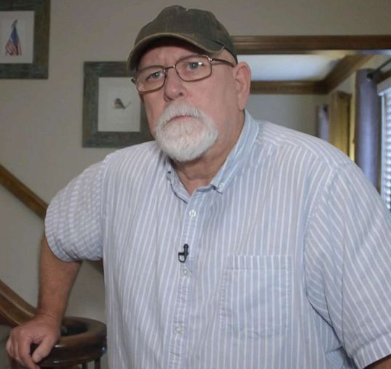
62-year old. Shot multiple times: wounded

The spokesman, Lt. Ryan Flood, told reporters on June 13, 2019 that police were responding to a panic alarm on a cellphone that someone in the house triggered shortly before midnight. A lone deputy went to the house and rang the doorbell, where the armed homeowner “immediately jerked open the door and presented a handgun and pointed it directly at the deputy,” Flood said.

Flood said Deputy Kevin Azzara opened fire and shot the man multiple times, who was reported alive and recovering in a hospital. The deputy was placed on administrative leave with pay — the protocol for an officer involved in a shooting. The sheriff’s office echoed that account on its Facebook page the next day, accusing the homeowner of opening the door and aiming his weapon at the deputy.

As promised, the Greenville County Sheriff’s Office released Monday what it called “relevant video footage and photographs” in the shooting. But the body-cam video from that night contradicts the initial police account. The video, which was edited by the sheriff’s office and lacks some audio, includes a narration from Capt. Tim Brown from the office of professional standards.

The Sheriff’s Office’s Officer of Professional Standards conducted an internal investigation to see if Deputy Kevin Azzara violated any written policies during the incident. The investigation concluded on April 23, 2020, and found that no agency policies were violated, spokesman Lt. Ryan Flood said Wednesday. Azzara was still on administrative duty and would assume his regular duties at a time to be determined, Flood said.

A criminal investigation conducted by the State Law Enforcement Division is still ongoing, SLED spokeswoman Mary Perry said.

Physical violence
 Arrest
 Detention / Custody
 Hustle / Projection
 Prone position / lying flat on the stomach / ventral decubitus
 Folding” (holding a person in a seated position with their head resting on their knees)
 Painful armlock
 Kicks, punches, slaps
 Feet / knees on the nape of the neck, chest or face
 Blows to the victim while under control and/or on the ground
 Blows to the ears
 Strangulation / chokehold
 Fingers forced backwards
 Spraying with water
 Dog bites
 Hair pulling
 Painful tightening of colson ties or handcuffs
 Painfully pulling by colson ties or handcuffs
 Sexual abuse
 Striking with a police vehicle
 Electric shocks
 Use of gloves
XUse of firearm
 Use of “Bean bags” (a coton sack containing tiny lead bullets)
 Use of FlashBall weapon
 Use of sound grenade
 Use of dispersal grenade
 Use of teargas grenade
 Use of rubber bullets weapon (LBD40 type)
 Use of batons
 Use of Pepper Spray
 Use of Taser gun
 Use of tranquillisers
 Execution
 Kidnapping
 Disappearance
Psychological violence
 Charge of disturbing public order
 Charge of rebellion
 Accusation of beatings to officer
 Charge of threatening officer
 Charge of insulting an officer
 Charge of disrespect
 Charge of resisting arrest
 Aggressive behaviour, disrespect, insults
 Intimidation, blackmail, threats
 Vexing or intimidating identity check
 Mock execution
 Intimidation or arrest of witnesses
 Prevented from taking photographs or from filming the scene
 Calls to end torment remained unheeded
 Prolonged uncomfortable position
 Failure to assist a person in danger
 Photographs, fingerprints, DNA
 Threat with a weapon
 Shooting in the back
XCharging without warning
 Kettling (corraling protestors to isolate them from the rest of the demonstration)
 Car chase
 Sexist remarks
 Homophobic remarks
 Racist comments
XIntervention in a private place
 Mental health issues
 Harassment
 Body search
 Home search
 Violence by fellow police officers
 Passivity of police colleagues
 Lack or refusal of the police officer to identify him or herself
 Refusal to notify someone or to telephone
 Refusal to administer a breathalyzer
 Refusal to fasten the seatbelt during transport
 Refusal to file a complaint
 Refusal to allow medical care or medication
XLies, cover-ups, disappearance of evidence
 Undress before witnesses of the opposite sex
 Bend down naked in front of witnesses
 Lack of surveillance or monitoring during detention
 Lack of signature in the Personal Effects Register during detention
 Deprivation during detention (water, food)
 Inappropriate sanitary conditions during detention (temperature, hygiene, light)
 Sleep deprivation
 Confiscation, deterioration, destruction of personal effects
 Pressure to sign documents
 Absence of a report
 Complacency of doctors

Lorem ipsum dolor sit amet, consectetur adipiscing elit. Ut elit tellus, luctus nec ullamcorper mattis, pulvinar dapibus leo.

  • Lawyer :
  • Collective :
  • Donations :
Categories
Victims

Camilo Caupolicán Escobar, 10.01.2019. Shot dead – Neuquén

January 10, 2019 – Neuquén street, al 1200, barrio de Caballitov – Neuquén
24-year-old. Shot in the chest : deceased

On 1 January 2019, Camilo went to Caballito to buy marijuana flowers at a house on 1259 Neuquén Street. He had 2,765 pesos in his wallet (currently worth approximately 70 or 80 pesos), which corroborates that he was going to make a small purchase for personal consumption. In the house, there was another alleged buyer who had ordered a large quantity costing 200,000 pesos and who would have paid a commission of 5,000 pesos to the person who had contacted him. Inside the house, the buyer took the bag with the purchase and, before paying, announced that he was a police officer, showed his badge, and ordered them to lie down on the floor. During the altercation, he pulls out his 9mm calibre weapon, stands in the doorway to prevent those inside from escaping, and then shoots Camilo in the chest, killing him. However, seconds before, he managed to wound his attacker in the face, leaving blood stains and a tooth. 

Despite this relevant information, the few media outlets that reported the news at the time presented it as a possible ‘drug-related crime by mistake’ or even a ‘settling of scores.’ Media outlets that were absent yesterday.

For five and a half years, the identity of the murderer was unknown. No witnesses claimed to know him. The police cleared the area. Camilo‘s murderer arrived and left on a motorcycle without a licence plate. He even had the luxury of returning minutes after committing the crime to retrieve his motorcycle without anyone stopping him.

After leaving on his motorcycle, nothing more was heard of the murderer. Court No. 3, then presided over by Judge Bruniard, denied the prosecution’s request for DNA and images recorded by at least five security cameras in the vicinity (two of them on the block where the house was located). It took more than three years before, after a change of judge, the request for the images was finally granted.

The prosecution also distrusts the material due to the absence of evidence (no sirens, no SAME or security forces personnel are visible), only a blurry image of the killer. There is very little evidence from the cameras in the area, which also raised doubts when, in September 2024, the only (and blurry) image of the killer was published with an offer of a reward for anyone providing information. What was the purpose of ‘releasing’ that image? To find the killer or to send a message for reasons unknown to us?

The murder of Camilo Caupolicán Escobar not only reveals the action or inaction of the repressive forces: action, given that the murderer is part of a federal force. The ‘inaction’ is rather an omission to cooperate with the investigation. Camilo‘s murder and its cover-up show the complicity and links between the repressive forces and drug trafficking.

The sister of one of the key witnesses, who is also involved in the sale of narcotics, is a police officer. This witness, whose name has appeared in the case file since the beginning of the proceedings, raised many doubts about the information he provided, or rather, about the information he did not provide.

On 4 June, a witness confirmed that Camilo‘s killer belongs to a federal force. The court has his name and ID number. Why is a force that is paradoxically supposed to be a “security” force not being required to hand over its member so that he can at least be questioned and investigated?

Alongside his father Oscar were mothers of other victims of institutional violence. Nora, mother of Juan Ignacio Encina, who was murdered by Buenos Aires police officer Jorge Montero, was present. Emilia Vasallo, a leader of the National March Against Police Brutality, which takes place every year at the end of August, was also present. Emilia is the mother of Pablo Alcorta, another victim of police violence. Verónica, the mother of Nicolas Broeckaert, another victim of institutional violence, more precisely of the Monte Grande Municipal Police, was also present.

The relatives of victims support each other, embrace each other, and fight for their causes. ‘I am not here only for Camilo. Our children will not return, but we are here for all the young people who are still alive,’ Oscar said yesterday. He had also said this when he took the microphone at the National March Against Police Brutality. Camilo had participated alongside Oscar in demonstrations for both Luciano Arruga and Mariano Ferreyra.

In times of selfishness, pettiness, opportunism, and cowardice, Oscar’s fight is not only for justice for his son; his fight is to recover that collective solidarity that today seems to have been forgotten.

The press union and many subsidised organisations that claim to defend human rights but abandoned Oscar and other victims should learn a lot from him.

On July 24, 2025, frente a las escalinatas de tribunales, se desarrolló la conferencia de prensa convocada por Oscar Escobar ante la situación de la causa por el asesinato de su hijo Camilo Caupolicán. Con la ausencia de los medios hegemónicos Oscar se expresó acompañado de su abogado y de madres de otras víctimas de gatillo fácil. Oscar y su abogado Mario Perricone denunciaron que «se rompió el secreto de sumario y no fue la querella quien lo hizo». Además de la dilación en las detenciones pertinentes también denunciaron negligencias en la protección de testigos por parte de la Fiscalía a cargo de Laura Belloqui. La causa está en manos del Juez subrogante Marcos Fernández en el Juzgado Criminal y Correccional Número 3 Por Ramiro Giganti (ANRed).

“On 4 June, a person fully identified the murderer. There is no doubt about the identification of the murderer. I would also like to refer to the statement of a witness who, out of fear after seeing his friend killed, left the country that same day. This complaint brought him back, and he testified for eight hours. There is a very important part of his statement where he says that while he was in the presence of the police, the ambulance, and all the people, the murderer came back wearing different clothes, because if you look at the photo, he is wearing a jacket, and then he comes back wearing a T-shirt. The boy shouted, ‘That’s the one who killed Camilo, that’s the one who killed Camilo,’ and the police did absolutely nothing.”

This is how Camilo Caupolicán Escobar‘s father opened the press conference. He was accompanied by his lawyer, other relatives of young people murdered by police forces, and by this media outlet. In addition to ANRed, Periodismo de Izquierda was also present covering the conference.

The family lawyer Mario Perricone:

“For more than five and a half years, we were in the dark. At the beginning of June, a reliable lead was found and corroborated in case 5698 of 2019, which is being handled by Criminal and Correctional Court 3. A technical error led to a breach of confidentiality, allowing all parties to read who was being sought. We have identified the murderer; we are certain, not completely certain at this stage, but we are fairly certain, based on direct evidence, not circumstantial evidence, of who the person is. And the judge in charge ruled that, for now, it was not appropriate to arrest the person.”

 On July 25, 2025, after six and a half years of struggle by his father, Oscar Escobar, and the prosecution, Juan Manuel Guellin, the murderer of Camilo, has been in custody for 48 hours. The court had his name and some information in its possession since June 4, but the arrest was delayed. Along with the complaint, this newspaper’s journalistic investigation also provided information to the court. Guellín, 28, belongs to a federal police force.

After his arrest, other questions will be answered: What happened to the bag he stole containing kilos of marijuana? Did he work for a superior officer? Did he commit other crimes while part of a security force? Why, when he returned to get his motorcycle minutes after murdering Camilo, was he not arrested despite having been identified by a witness?

Physical violence
 Arrest
 Detention / Custody
 Hustle / Projection
 Prone position / lying flat on the stomach / ventral decubitus
 Folding” (holding a person in a seated position with their head resting on their knees)
 Painful armlock
 Kicks, punches, slaps
 Feet / knees on the nape of the neck, chest or face
 Blows to the victim while under control and/or on the ground
 Blows to the ears
 Strangulation / chokehold
 Fingers forced backwards
 Spraying with water
 Dog bites
 Hair pulling
 Painful tightening of colson ties or handcuffs
 Painfully pulling by colson ties or handcuffs
 Sexual abuse
 Striking with a police vehicle
 Electric shocks
 Use of gloves
XUse of firearm
 Use of “Bean bags” (a coton sack containing tiny lead bullets)
 Use of FlashBall weapon
 Use of sound grenade
 Use of dispersal grenade
 Use of teargas grenade
 Use of rubber bullets weapon (LBD40 type)
 Use of batons
 Use of Pepper Spray
 Use of Taser gun
 Use of tranquillisers
 Execution
 Kidnapping
 Disappearance
Psychological violence
 Charge of disturbing public order
 Charge of rebellion
 Accusation of beatings to officer
 Charge of threatening officer
 Charge of insulting an officer
 Charge of disrespect
 Charge of resisting arrest
 Aggressive behaviour, disrespect, insults
 Intimidation, blackmail, threats
 Vexing or intimidating identity check
 Mock execution
 Intimidation or arrest of witnesses
 Prevented from taking photographs or from filming the scene
 Calls to end torment remained unheeded
 Prolonged uncomfortable position
 Failure to assist a person in danger
 Photographs, fingerprints, DNA
 Threat with a weapon
 Shooting in the back
 Charging without warning
 Kettling (corraling protestors to isolate them from the rest of the demonstration)
 Car chase
 Sexist remarks
 Homophobic remarks
 Racist comments
 Intervention in a private place
 Mental health issues
 Harassment
 Body search
 Home search
 Violence by fellow police officers
 Passivity of police colleagues
 Lack or refusal of the police officer to identify him or herself
 Refusal to notify someone or to telephone
 Refusal to administer a breathalyzer
 Refusal to fasten the seatbelt during transport
 Refusal to file a complaint
 Refusal to allow medical care or medication
XLies, cover-ups, disappearance of evidence
 Undress before witnesses of the opposite sex
 Bend down naked in front of witnesses
 Lack of surveillance or monitoring during detention
 Lack of signature in the Personal Effects Register during detention
 Deprivation during detention (water, food)
 Inappropriate sanitary conditions during detention (temperature, hygiene, light)
 Sleep deprivation
 Confiscation, deterioration, destruction of personal effects
 Pressure to sign documents
 Absence of a report
 Complacency of doctors
  • 25.07.2025 – Arrest and placement in custody of Juan Manuel Guellin
  • 10.01.2019 – Agression and death of Camilo
  • Lawyer : Mario Perricone
  • Collective :
  • Donations :
Categories
Victims

Domenico ‘Mimmo’ Lucano, 02.10.2018. Convicted – Riace

October 2, 2018 – Riace
60 year-old – Sentenced to thirteen years in jail

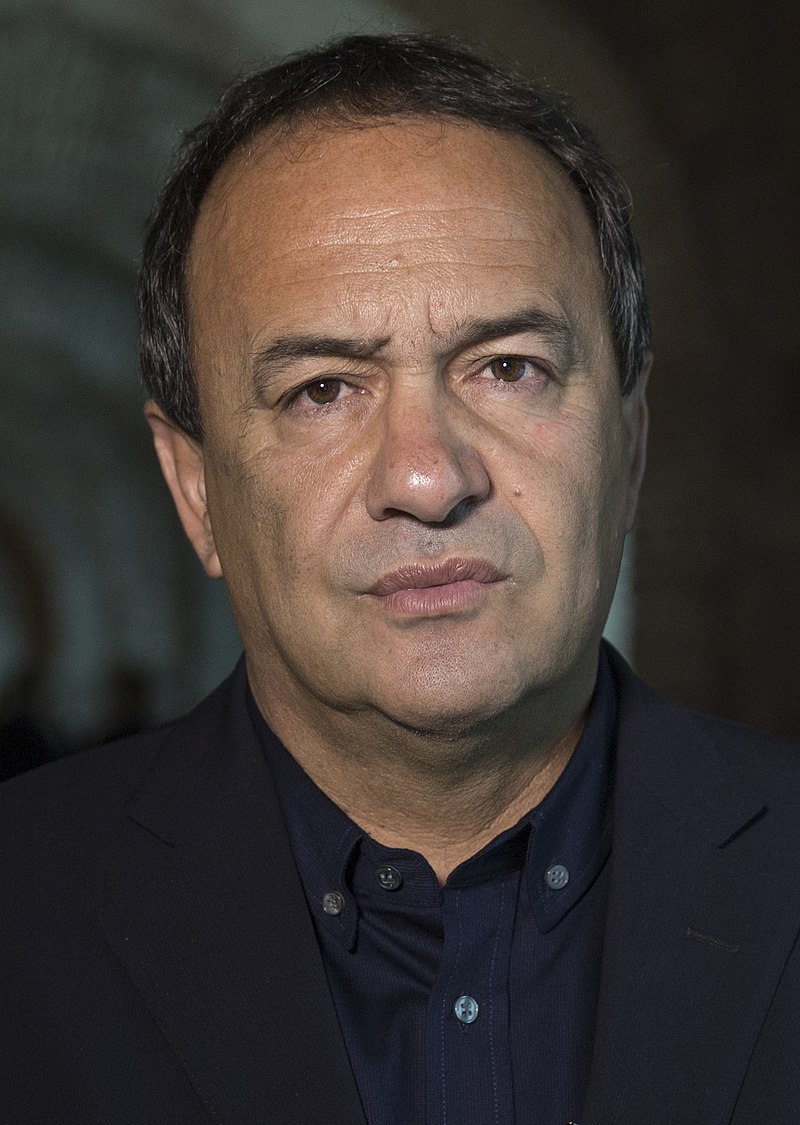
Mimmo Lucano was mayor of Riace from 2004 to 2018, a small town in Calabria in the South of Italy. He used his leadership to welcome migrants and asylum seekers to his town. Such towns in rural southern regions are becoming depopulated as younger people move to bigger towns or the north. Young immigrant families could help give life and energy back to such areas. Local people married some of the migrants but the legal authorities accused him of setting up false, artificial marriages. He set up cooperatives to help support the newcomers and obtained public funds to do so.

In October 2018, the Italian police put Mimmo under house arrest for allegedly helping illegal migrants to stay in the country by organising “marriages of convenience”. The state has accused him of mismanaging the funds. Even his accusers accept that Mimmo has made no personal financial gains at all.

Mimmo will be appealing and his future will not just depend on the vagaries of the court but on the strength of the national and perhaps international campaign in his favour.

Physical violence
 Kicks, punches, slaps
 Feet / knees on the nape of the neck, chest or face
 Blows to the victim while under control and/or on the ground
 Blows to the ears
 Strangulation / chokehold
 Painful armlock
 Fingers forced backwards
 Spraying with water
 Dog bites
 Hair pulling
 Tirage par les cheveux
 Painful tightening of colson ties or handcuffs
 Painfully pulling by colson ties or handcuffs
 Use of gloves
 Use of firearm
 Use of “Bean bags” (a coton sack containing tiny lead bullets)
 Use of FlashBall weapon
 Use of sound grenade
 Use of dispersal grenade
 Use of teargas grenade
 Use of rubber bullets weapon (LBD40 type)
 Use of batons
 Use of Pepper Spray
 Use of Taser gun
Psychological violence
 Charge of disturbing public order
 Charge of rebellion
 Accusation of beatings to officer
 Charge of threatening officer
 Charge of insulting an officer
 Threat with a weapon
 Aggressive behaviour, disrespect, insults
 Calls to end torment remained unheeded
 Sexist remarks
 Homophobic remarks
 Racist comments
 Violence by fellow police officers
 Passivity of police colleagues
 Lack or refusal of the police officer to identify him or herself
 Vexing or intimidating identity check
 Intimidation or arrest of witnesses
 Prevented from taking photographs or from filming the scene
 Refusal to notify someone or to telephone
 Refusal to administer a breathalyzer
 Refusal to fasten the seatbelt during transport
 Refusal to file a complaint
 Refusal to allow medical care or medication
 Lies, cover-ups, disappearance of evidence
 Undress before witnesses of the opposite sex
 Bend down naked in front of witnesses
 Lack of surveillance or monitoring during detention
 Lack of signature in the Personal Effects Register during detention
 Confiscation, deterioration, destruction of personal effects
 Pressure to sign documents
 Absence of a report
 Deprivation during detention (water, food)
 Inappropriate sanitary conditions during detention (temperature, hygiene, light)
 Complacency of doctors
 Kettling (corraling protestors to isolate them from the rest of the demonstration)
 Prolonged uncomfortable position


  • 30.09.2021 – Sentenced to 13 years and 2 months in jail for abetting illegal migration and for “irregularities” in managing the asylum seekers
  • 11.06.2019 – Trial
  • 11.04.2019 – Indicted on charges of abuse of power and aiding illegal immigration ; faced another probe regarding alleged false public statement and fraud
  • 02.10.2018Mimmo put under house arrest
  • Lawyer :
  • Collective :
  • Donations :
Categories
Victims

Tanya Day, 05.12.2017. Died in custody – Victoria

December 5, 2017, Castlemaine police station – Victoria
55-year-old. Arrested for drunkenness : died in custody after hitting her forehead on the cell wall…

The inquest into the death in custody of Aboriginal woman Tanya Day has been shown footage of her hitting her forehead on the cell wall less than a minute after she was checked by police.

That impact, which occurred shortly before 5pm, caused a brain haemorrhage but was undetected until 8.03pm, when police noticed a lump on her head and called an ambulance. The 55-year-old Yorta Yorta woman died in hospital 17 days later.

CCTV footage played in court on Monday shows that Tanya hit her head five times while in holding cell one at Castlemaine police station on 5 December 2017.

It also showed police straightening cushions before they approached Tanya when they entered the cell at 8.03pm, and bend over her for several seconds before lifting her back on to the bench and covering her with a blanket.

The first fall was at 4.20pm, just 25 minutes after she was left alone in the cell to “sober up” after being arrested for public drunkenness.

It shows she hit the back of her bed after falling back when sitting down on the bed, after roaming unsteadily around the cell. At 4.44pm she stands up, walks unsteadily towards the water fountain on the cell wall, then stumbles backward, hitting the back of her head again as she fell on the bed.

Police guidelines state that intoxicated people should be subject to a physical cell check every 30 minutes, but sergeant Edwina Neale told the inquest she requested 20-minute checks because Tanya was “more vulnerable”.

Neale said that was then changed to a physical check every 40 minutes, with a check on CCTV monitors in between, because Wolters told her that Tanya was “becoming a bit distressed and asking to go home and he felt she would be better if she was left to sleep a bit longer in between checks”.

Cairnes initially told the inquest that he saw Tanya standing in the cell as Wolters called out: “Tanya, are you OK?

Due to the thickness of the cell walls, he said, he did not hear what Tanya said in response, but he said she did give a verbal response and Woltersseemed satisfied by that”.

Justice and Light for Tanya, her family and friends !
Physical violence
 Kicks, punches, slaps
 Feet / knees on the nape of the neck, chest or face
 Blows to the victim while under control and/or on the ground
 Blows to the ears
 Strangulation / chokehold
 Painful armlock
 Fingers forced backwards
 Spraying with water
 Dog bites
 Hair pulling
 Tirage par les cheveux
 Painful tightening of colson ties or handcuffs
 Painfully pulling by colson ties or handcuffs
 Use of gloves
 Use of firearm
 Use of “Bean bags” (a coton sack containing tiny lead bullets)
 Use of FlashBall weapon
 Use of sound grenade
 Use of dispersal grenade
 Use of teargas grenade
 Use of rubber bullets weapon (LBD40 type)
 Use of batons
 Use of Pepper Spray
 Use of Taser gun
Psychological violence
 Charge of disturbing public order
 Charge of rebellion
 Accusation of beatings to officer
 Charge of threatening officer
 Charge of insulting an officer
 Threat with a weapon
 Aggressive behaviour, disrespect, insults
 Calls to end torment remained unheeded
 Sexist remarks
 Homophobic remarks
 Racist comments
 Violence by fellow police officers
 Passivity of police colleagues
 Lack or refusal of the police officer to identify him or herself
 Vexing or intimidating identity check
 Intimidation or arrest of witnesses
 Prevented from taking photographs or from filming the scene
 Refusal to notify someone or to telephone
 Refusal to administer a breathalyzer
 Refusal to fasten the seatbelt during transport
 Refusal to file a complaint
XRefusal to allow medical care or medication
 Lies, cover-ups, disappearance of evidence
 Undress before witnesses of the opposite sex
 Bend down naked in front of witnesses
XLack of surveillance or monitoring during detention
 Lack of signature in the Personal Effects Register during detention
 Confiscation, deterioration, destruction of personal effects
 Pressure to sign documents
 Absence of a report
 Deprivation during detention (water, food)
 Inappropriate sanitary conditions during detention (temperature, hygiene, light)
 Complacency of doctors
 Kettling (corraling protestors to isolate them from the rest of the demonstration)
 Prolonged uncomfortable position
  • 22.12.2017 – Death of Tanya
  • 05.12.2017 – Arrest of Tanya
  • Lawyer :
  • Collective :
  • Donations :
Categories
Victims

Mounir Abdouli, 25.01.2016. Beaten up – Sfax

January 25, 2016 – Sfax
Beaten up and abandoned near a trash container

Mounir went out despite the curfew to get cigarettes from neighbours. He was intercepted by a police patrol on the Mahdia road, Kilometer 4, and was asked for his ID while being patronized for infringing the curfew.

According to his lawyer, Chahine Khelifi, who denounced a case of torture by 3 officers, amounting to a murder attempt :

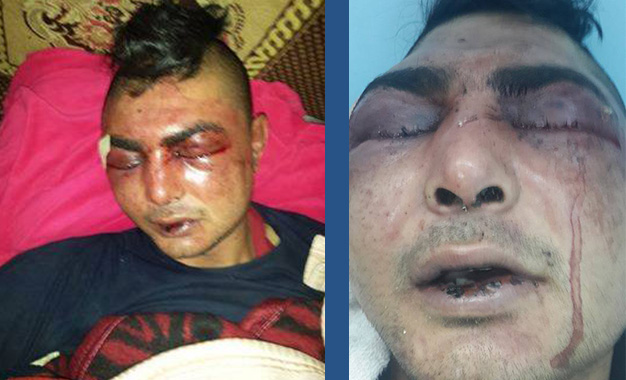
“On Monday 25 around 23:30, Mounir Abdouli is approached in his hometown of Sfax by 3 officers under influence in Berlingot vehicle and gets beaten up by 3 men who reproach him for violating the curfew regulation (22:00). Mounir explained them he just wanted to get cigarettes. They proceeded with the usual checks, then one of them asks him why he’s not wanted by the police. My client replied that he is a patriot and loves his country, detailing he did his service time and defended his country. The officer punched him in the face.

Inexplicably, 3 officers started to hit him in the face and all over his body. When Mounir fell down on the ground, a 4th agent pressed his colleagues to stop it, telling them they were about to kill him.

They totally tore him to pieces. Mounir will have to undergo 2 surgeries. We’re the first ones to support our police who do an incredible job at protecting et securing the country, but we also must denounce such intolerable behavior. Whatever the circumstances, no one has the right to inflict such violence on another human being.”

The aggressors then dumped him unconscious near a dumpster before leaving the scene. Some neighbors found him there, still unconscious, in the morning of the next day. He was transported to an ICU unit at Hédi Chaker hospital where he underwent 2 surgeries.

The Attorney general opened an investigation. The Sfax Police District Chief contacted Mounir to apologize and said he was outraged about the officers bahavior. Mounir lodged a complaint against his aggressors.

Physical violence
 XKicks, punches, slaps
 Feet / knees on the nape of the neck, chest or face
XBlows to the victim while under control and/or on the ground
 Blows to the ears
 Strangulation / chokehold
 Painful armlock
 Fingers forced backwards
 Spraying with water
 Dog bites
 Hair pulling
 Tirage par les cheveux
 Painful tightening of colson ties or handcuffs
 Painfully pulling by colson ties or handcuffs
 Use of gloves
 Use of firearm
 Use of “Bean bags” (a coton sack containing tiny lead bullets)
 Use of FlashBall weapon
 Use of sound grenade
 Use of dispersal grenade
 Use of teargas grenade
 Use of rubber bullets weapon (LBD40 type)
XUse of batons
 Use of Pepper Spray
 Use of Taser gun
Psychological violence
 Charge of disturbing public order
 Charge of rebellion
 Accusation of beatings to officer
 Charge of threatening officer
 Charge of insulting an officer
 Threat with a weapon
 Aggressive behaviour, disrespect, insults
XCalls to end torment remained unheeded
 Sexist remarks
 Homophobic remarks
 Racist comments
 Violence by fellow police officers
 Passivity of police colleagues
 Lack or refusal of the police officer to identify him or herself
 Vexing or intimidating identity check
 Intimidation or arrest of witnesses
 Prevented from taking photographs or from filming the scene
 Refusal to notify someone or to telephone
 Refusal to administer a breathalyzer
 Refusal to fasten the seatbelt during transport
 Refusal to file a complaint
 Refusal to allow medical care or medication
 Lies, cover-ups, disappearance of evidence
 Undress before witnesses of the opposite sex
 Bend down naked in front of witnesses
 Lack of surveillance or monitoring during detention
 Lack of signature in the Personal Effects Register during detention
 Confiscation, deterioration, destruction of personal effects
 Pressure to sign documents
XAbsence of a report
 Deprivation during detention (water, food)
 Inappropriate sanitary conditions during detention (temperature, hygiene, light)
 Complacency of doctors
 Kettling (corraling protestors to isolate them from the rest of the demonstration)
 Prolonged uncomfortable position
  • 28.01.2016 – Opening of an investigation
  • 26.01.2016 – Discovery of Mounir and hospitalization
  • 25.01.2016 – Aggression of Mounir
  • Lawyer :
  • Collective :
  • Donations :
Categories
Victims

Mark Dicesare, 07.11.2015. Shot dead – Winnipeg

November 7, 2015, Grant Avenue and Kenaston Boulevard – Winnipeg
24-year-old. Shot dead.

Police and the Independent Investigation Unit of Manitoba identified the man as 24-year-old Mark Dicesare.

On Friday, CBC News learned Dicesare was seen with a gun while driving. Dozens of cruisers chased his car down, surrounding it in a field near Lipsett Hall at the former Kapyong Barracks military site just after 1 p.m. CT.

Police units contained Mr. Dicesare in the field and attempted to engage him,” Deputy Chief Danny Smyth said Saturday.

What followed was a standoff that lasted for about 20 minutes. The standoff ended when Mr. Dicesare took action that officers responded to with lethal force.

Physical violence
 Kicks, punches, slaps
 Feet / knees on the nape of the neck, chest or face
 Blows to the victim while under control and/or on the ground
 Blows to the ears
 Strangulation / chokehold
 Painful armlock
 Fingers forced backwards
 Spraying with water
 Dog bites
 Hair pulling
 Tirage par les cheveux
 Painful tightening of colson ties or handcuffs
 Painfully pulling by colson ties or handcuffs
 Use of gloves
XUse of firearm
 Use of “Bean bags” (a coton sack containing tiny lead bullets)
 Use of FlashBall weapon
 Use of sound grenade
 Use of dispersal grenade
 Use of teargas grenade
 Use of rubber bullets weapon (LBD40 type)
 Use of batons
 Use of Pepper Spray
 Use of Taser gun
Psychological violence
 Charge of disturbing public order
 Charge of rebellion
 Accusation of beatings to officer
 Charge of threatening officer
 Charge of insulting an officer
 Threat with a weapon
 Aggressive behaviour, disrespect, insults
 Calls to end torment remained unheeded
 Sexist remarks
 Homophobic remarks
 Racist comments
 Violence by fellow police officers
 Passivity of police colleagues
 Lack or refusal of the police officer to identify him or herself
 Vexing or intimidating identity check
 Intimidation or arrest of witnesses
 Prevented from taking photographs or from filming the scene
 Refusal to notify someone or to telephone
 Refusal to administer a breathalyzer
 Refusal to fasten the seatbelt during transport
 Refusal to file a complaint
 Refusal to allow medical care or medication
 Lies, cover-ups, disappearance of evidence
 Undress before witnesses of the opposite sex
 Bend down naked in front of witnesses
 Lack of surveillance or monitoring during detention
 Lack of signature in the Personal Effects Register during detention
 Confiscation, deterioration, destruction of personal effects
 Pressure to sign documents
 Absence of a report
 Deprivation during detention (water, food)
 Inappropriate sanitary conditions during detention (temperature, hygiene, light)
 Complacency of doctors
 Kettling (corraling protestors to isolate them from the rest of the demonstration)
 Prolonged uncomfortable position

Lorem ipsum dolor sit amet, consectetur adipiscing elit. Ut elit tellus, luctus nec ullamcorper mattis, pulvinar dapibus leo.

  • Lawyer :
  • Collective :
  • Donations :
Categories
Victims

Ahmed Sbai, 08.11.2010. Jailed – Salé

Categories
Victims

Al-Nagem Al-Qarhi, 24.10.2010. Shot dead – Gdeim Izik

October 24, 2010 – Gdeim Izik protest camp
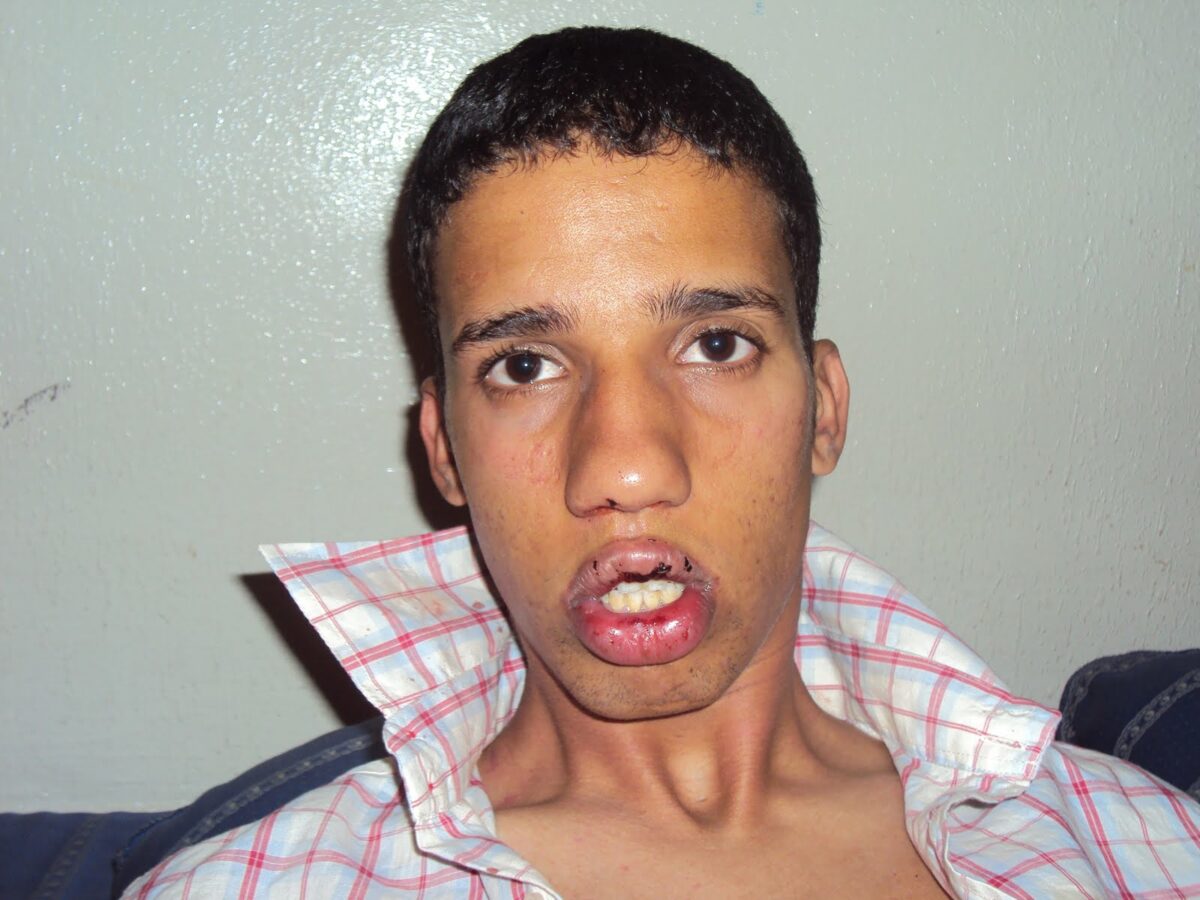
14 year-old. Shot dead : deceased

The Gdeim Izik protest camp (also spelled Gdayam Izik) was a protest camp in Western Sahara, established on 9 October 2010 and lasting into November that year, with related incidents occurring in the aftermath of its dismantlement on 8 November. The primary focus of the protests was against “ongoing discrimination, poverty and human rights abuses against local citizens“.

While protests were initially peaceful, they were later marked by clashes between Sahrawi civilians and Moroccan security forces. Some referred to the protests as the Third Sahrawi Intifada.

By the first week of November, the Gdeim Izik protest camp’s population was estimated at around 5,000. The primary objective of the camp was to protest against “ongoing discrimination, poverty and human rights abuses against local citizens”, but later some protesters also demanded independence for Western Sahara.

On 24 October, a vehicle trying to enter the camp was fired upon by Moroccan Army forces. As a result, 14-year-old Nayem Elgarhi died and other passengers were injured. According to the Moroccan Interior ministry, a bullet was fired from the vehicle forcing the security forces to return fire, with a final toll of one dead and three injured. However, according to the Polisario front, there were no weapons in the vehicle. According to SADR’s Occupied Territories and Communities Abroad Ministry, while the youths were bringing food, water and medicines to the protest camp, they were chased by the security forces since they fled El Aaiún.

Elgarhi‘s family denounced the boy’s secret burial, demanding a trial for the officers who shot him.

US Congressman Donald M. Payne, Chairman of the Subcommittee on Africa and Global Health, released the following statement:

I am deeply saddened by the death of Al-Nagem Al-Qarhi, a young Sahrawi teenager who sought nothing but to join other Sahrawis in a peaceful demonstration calling for better living conditions for himself and the people of Western Sahara. My condolences go out to his family and the other passengers of the vehicle who were also shot at and beaten by Moroccan forces in the attack, and to the many Sahrawi protesters. Their voices will not be silenced by the threat of violence nor will the injustices perpetrated against their people by the Moroccan authorities forever go unpunished.

Physical violence
 Arrest
 Detention / Custody
 Hustle / Projection
 Prone position / lying flat on the stomach / ventral decubitus
 Folding” (holding a person in a seated position with their head resting on their knees)
 Painful armlock
 Kicks, punches, slaps
 Feet / knees on the nape of the neck, chest or face
 Blows to the victim while under control and/or on the ground
 Blows to the ears
 Strangulation / chokehold
 Fingers forced backwards
 Spraying with water
 Dog bites
 Hair pulling
 Painful tightening of colson ties or handcuffs
 Painfully pulling by colson ties or handcuffs
 Sexual abuse
 Striking with a police vehicle
 Electric shocks
 Use of gloves
XUse of firearm
 Use of “Bean bags” (a coton sack containing tiny lead bullets)
 Use of FlashBall weapon
 Use of sound grenade
 Use of dispersal grenade
 Use of teargas grenade
 Use of rubber bullets weapon (LBD40 type)
 Use of batons
 Use of Pepper Spray
 Use of Taser gun
 Use of tranquillisers
 Torture / Inhumane and degrading treatment
 Execution
 Kidnapping
 Disappearance
Psychological violence
 Charge of disturbing public order
 Charge of rebellion
 Accusation of beatings to officer
 Charge of threatening officer
 Charge of insulting an officer
 Charge of disrespect
 Charge of resisting arrest
 Aggressive behaviour, disrespect, insults
 Intimidation, blackmail, threats
 Vexing or intimidating identity check
 Mock execution
 Intimidation or arrest of witnesses
 Prevented from taking photographs or from filming the scene
 Calls to end torment remained unheeded
 Prolonged uncomfortable position
 Failure to assist a person in danger
 Photographs, fingerprints, DNA
 Threat with a weapon
 Shooting in the back
 Charging without warning
 Kettling (corraling protestors to isolate them from the rest of the demonstration)
 Car chase
 Sexist remarks
 Homophobic remarks
 Racist comments
 Intervention in a private place
 At the police station
 Mental health issues
 Harassment
 Body search
 Home search
 Violence by fellow police officers
 Passivity of police colleagues
 Lack or refusal of the police officer to identify him or herself
 Refusal to notify someone or to telephone
 Refusal to administer a breathalyzer
 Refusal to fasten the seatbelt during transport
 Refusal to file a complaint
 Refusal to allow medical care or medication
 Lies, cover-ups, disappearance of evidence
 Undress before witnesses of the opposite sex
 Bend down naked in front of witnesses
 Lack of surveillance or monitoring during detention
 Lack of signature in the Personal Effects Register during detention
 Deprivation during detention (water, food)
 Inappropriate sanitary conditions during detention (temperature, hygiene, light)
 Sleep deprivation
 Confiscation, deterioration, destruction of personal effects
 Pressure to sign documents
 Absence of a report
 Complacency of doctors

Lorem ipsum dolor sit amet, consectetur adipiscing elit. Ut elit tellus, luctus nec ullamcorper mattis, pulvinar dapibus leo.

  • Lawyer :
  • Collective :
  • Donations :
Categories
Victims

Hasana Aalaia, 17.06.2010. Beaten up

June 17, 2010 – El Aaiun, Western Sahara
22 year-old. Abducted, beaten, intimidated

On June 17 late afternoon, agents of a police patrol circled young Hasana Aalaia a young sarahoui militant in November 24 Street where he was walking with his friend Mohammad Hali, 23. They punched him many times before forced him into their car and drove away.

Interrogation lasted for about 45 minutes, while he was beaten and handcuffed. He was questionned about certain people, about his intentions to organize festive demonstrations on ZAMLA uprising day.

After he was brutally beaten, the police offered him a Western Sahara flag to wipe his blood of from, but Hasana refused to use the flag he’s fighting for.

He was released far away into the desert past the airport, his face wounded and his legs an back badly hurting. The police recommended he should show himself so that everyone can see what they do to people like him.

Physical violence
 XKicks, punches, slaps
 Feet / knees on the nape of the neck, chest or face
 Blows to the victim while under control and/or on the ground
 Blows to the ears
 Strangulation / chokehold
 Painful armlock
 Fingers forced backwards
 Spraying with water
 Dog bites
 Hair pulling
 Tirage par les cheveux
 Painful tightening of colson ties or handcuffs
 Painfully pulling by colson ties or handcuffs
 Use of gloves
 Use of firearm
 Use of “Bean bags” (a coton sack containing tiny lead bullets)
 Use of FlashBall weapon
 Use of sound grenade
 Use of dispersal grenade
 Use of teargas grenade
 Use of rubber bullets weapon (LBD40 type)
 Use of batons
 Use of Pepper Spray
 Use of Taser gun
Psychological violence
 Charge of disturbing public order
 Charge of rebellion
 Accusation of beatings to officer
 Charge of threatening officer
 Charge of insulting an officer
XThreat with a weapon
XAggressive behaviour, disrespect, insults
XCalls to end torment remained unheeded
 Sexist remarks
 Homophobic remarks
 Racist comments
 Violence by fellow police officers
 Passivity of police colleagues
 Lack or refusal of the police officer to identify him or herself
 Vexing or intimidating identity check
 Intimidation or arrest of witnesses
 Prevented from taking photographs or from filming the scene
 Refusal to notify someone or to telephone
 Refusal to administer a breathalyzer
 Refusal to fasten the seatbelt during transport
 Refusal to file a complaint
 Refusal to allow medical care or medication
 Lies, cover-ups, disappearance of evidence
 Undress before witnesses of the opposite sex
 Bend down naked in front of witnesses
 Lack of surveillance or monitoring during detention
 Lack of signature in the Personal Effects Register during detention
 Confiscation, deterioration, destruction of personal effects
 Pressure to sign documents
 Absence of a report
 Deprivation during detention (water, food)
 Inappropriate sanitary conditions during detention (temperature, hygiene, light)
 Complacency of doctors
 Kettling (corraling protestors to isolate them from the rest of the demonstration)
 Prolonged uncomfortable position
  • Lawyer :
  • Collective :
  • Donations :
Categories
Victims

Oury Jalloh, 07.01.2005. Died in a fire tied to the mattress alone in his cell – Dessau

January 5, 2005, police station – Dessau (Saxony-Anhalt)
36 year-old. Hands and feet tied to his mattress in his cell when fire broke out: deceased

Oury Jalloh, originally from Sierra Leone, was arrested on 7 January 2005 by police in Dessau, Saxony-Anhalt, for alleged public disturbances. He was taken into custody and placed in Cell No. 5 of the police station, where he was handcuffed and restrained on a fireproof mattress. Hours later, firefighters responding to an emergency call discovered his body burnt beyond recognition.

The police version

The official narrative provided by authorities claimed that Jalloh had somehow set himself on fire with a lighter, despite being bound and under constant surveillance. This explanation has been fiercely contested, with critics pointing to inconsistent evidence, overlooked forensic findings and conflicting witness statements.

In the morning of 7 January 2005, at about 08:00 am, some street cleaners called the police and reported that a female colleague felt threatened by a drunk man (who was Oury Jalloh). When two policemen (Hans-Ulrich M. and Udo S.) arrived, Jalloh declined to show his identification and then resisted arrest. The officers put him in a headlock and took him into custody, intending to book him for harassment although charges were never made.

At the police station, the two policemen took Jalloh to the basement and held him whilst a doctor took his blood to test for alcohol and drugs. The test showed a BAC of about 3‰ and indicated usage of cocaine. The doctor assessed Jalloh as safe to be locked up. Jalloh was taken to a cell and held until he could be seen by a judge. Two officers dragged him to a cell and handcuffed him to a bed by his hands and feet.

Policewoman Beate H. was working in the second floor control room, together with Andreas S., her superior. On the intercom she heard Jalloh rattling his chains and swearing, so she attempted to calm him and she reports later she heard other officers in the cell. She went to check on him herself at about 11:30 am, without noting anything unusual. She returned to the control room, where Andreas S. turned down the intercom volume and she told him to turn it back up. At around noon she claimed she heard splashing sounds and told Andreas S. it was his turn to check. She originally said that after the fire alarm went off, Andreas S. turned it off twice. When another different alarm went off, he went to check what was going on. Gerhard M. followed Andreas S. downstairs to the cells, where they found Jalloh alive but burning to death. His final word was “Fire“.

The police suggested that Jalloh had burnt himself to death, using a lighter to ignite the foam mattress he was lying on in the cell. One appeared in an evidence bag several days after Jalloh‘s death.

The Justice version

The official autopsy concluded that the immediate cause of death was likely heat shock to Jalloh‘s lungs by smoke inhalation. A later 2019 autopsy conducted by experts from Goethe University after being commissioned by Jalloh‘s family, found that he had a broken rib, a broken nose and a fracture at the base of his skull, indicating that Oury Jalloh may have been tortured before his death. The original autopsy had listed only a recent nose fracture. The doctors were convinced that the injuries had occurred before death.

In March 2007, a trial was opened at the state court of Dessau against police officers Hans-Ulrich M. and his superior, Andreas S. The two officers were charged for causing bodily harm with fatal consequences, and for involuntary manslaughter, respectively. On 8 December 2008 the court acquitted both defendants of all charges. According to Manfred Steinhoff, the presiding judge, contradictory testimony had prevented clarification of the circumstances and had obstructed due process. In his closing speech Steinhoff accused the police officers of lying in court and thus damaging the reputation of the state of Saxony-Anhalt. The trial had thrown up inconsistencies and gaps in the narrative of the police officers and had lasted 60 days instead of the scheduled four. Fire experts had been unable to recreate the means of death. The issue of how the lighter that had allegedly been used to start the fire got into the cell was unexplained. Beate H. changed her initial report to say that Andreas S. had not turned down the fire alarm twice but rather got up and went downstairs, but she was unable to say exactly when because she worked with her back facing the door. The family and supporters of Jalloh were outraged by the verdict. The family had been offered €5,000 by the court since it could not establish the guilt of the officers, but Jalloh‘s father said he did not want the money.

On 7 January 2010, exactly five years after Jalloh died in his cell, the Bundesgerichtshof federal court in Karlsruhe overturned the earlier verdict. The case was relegated to the state court of Saxony-Anhalt at Magdeburg for retrial. During the investigations the deaths of Hans-Jürgen Rose (died from internal injuries hours after being released from the same police building in 1997) and Mario Bichtemann (died from an unsupervised skull fracture in the same cell in 2002) were re-examined. In 2012, Andreas S. was found guilty of involuntary manslaughter and fined €10,800. A new trial then began in 2014 and ended without any convictions in 2017.

In August 2020 the Landtag of Saxony-Anhalt published a report by special investigators Jerzy Montag and Manfred Nötzel on the Jalloh case, calling the policemen’s actions “flawed” and “contrary to the law“. However, they concluded that the district attorney’s final dismissal of the case in 2017 was “factually and legally correct in view of available evidence“.

Physical violence
 Kicks, punches, slaps
 Feet / knees on the nape of the neck, chest or face
 Blows to the victim while under control and/or on the ground
 Blows to the ears
XStrangulation / chokehold
 Painful armlock
 Fingers forced backwards
 Spraying with water
 Dog bites
 Hair pulling
 Painfully pulling by colson ties or handcuffs
 Use of gloves
 Use of firearm
 Use of “Bean bags” (a coton sack containing tiny lead bullets)
 Use of FlashBall weapon
 Use of sound grenade
 Use of dispersal grenade
 Use of teargas grenade
 Use of rubber bullets weapon (LBD40 type)
 Use of batons
 Use of Pepper Spray
 Use of Taser gun
Psychological violence
 Charge of disturbing public order
 Charge of rebellion
 Accusation of beatings to officer
 Charge of threatening officer
 Charge of insulting an officer
 Threat with a weapon
 Aggressive behaviour, disrespect, insults
 Calls to end torment remained unheeded
 Sexist remarks
 Homophobic remarks
 Racist comments
 Violence by fellow police officers
 Passivity of police colleagues
 Lack or refusal of the police officer to identify him or herself
 Vexing or intimidating identity check
 Intimidation or arrest of witnesses
 Prevented from taking photographs or from filming the scene
 Refusal to notify someone or to telephone
 Refusal to administer a breathalyzer
 Refusal to fasten the seatbelt during transport
 Refusal to file a complaint
 Refusal to allow medical care or medication
XLies, cover-ups, disappearance of evidence
 Undress before witnesses of the opposite sex
 Bend down naked in front of witnesses
XLack of surveillance or monitoring during detention
 Lack of signature in the Personal Effects Register during detention
 Confiscation, deterioration, destruction of personal effects
 Pressure to sign documents
 Absence of a report
 Deprivation during detention (water, food)
 Inappropriate sanitary conditions during detention (temperature, hygiene, light)
 Complacency of doctors
 Kettling (corraling protestors to isolate them from the rest of the demonstration)
 Prolonged uncomfortable position
  • 00.08.2020 – Report by special investigators Jerzy Montag and Manfred Nötzel calls the policemen’s actions “flawed” and “contrary to the law” but district attorney’s final dismissal of the case in 2017 “factually and legally correct in view of available evidence
  • 00.00.2019 – Second experts report commissioned by Jalloh‘s family
  • 00.00.2014 – New trial : no conviction
  • 00.00.2012Andreas S. found guilty of involuntary manslaughter and fined €10,800
  • 07.01.2010 – Bundesgerichtshof federal court in Karlsruhe overturns the earlier verdict; case relegated to the state court of Saxony-Anhalt at Magdeburg for retrial
  • 08.12.2008 – Court acquits d both defendants of all charges
  • 00.03.2007 – Trial at the state court of Dessau against police officers Hans-Ulrich M. and his superior, Andreas S.,charged for causing bodily harm with fatal consequences, and for involuntary manslaughter, respectively.
  • 07.01.2005 – Arrest and death of Oury Jalloh
  • Lawyer :
  • Collective :
  • Donations :