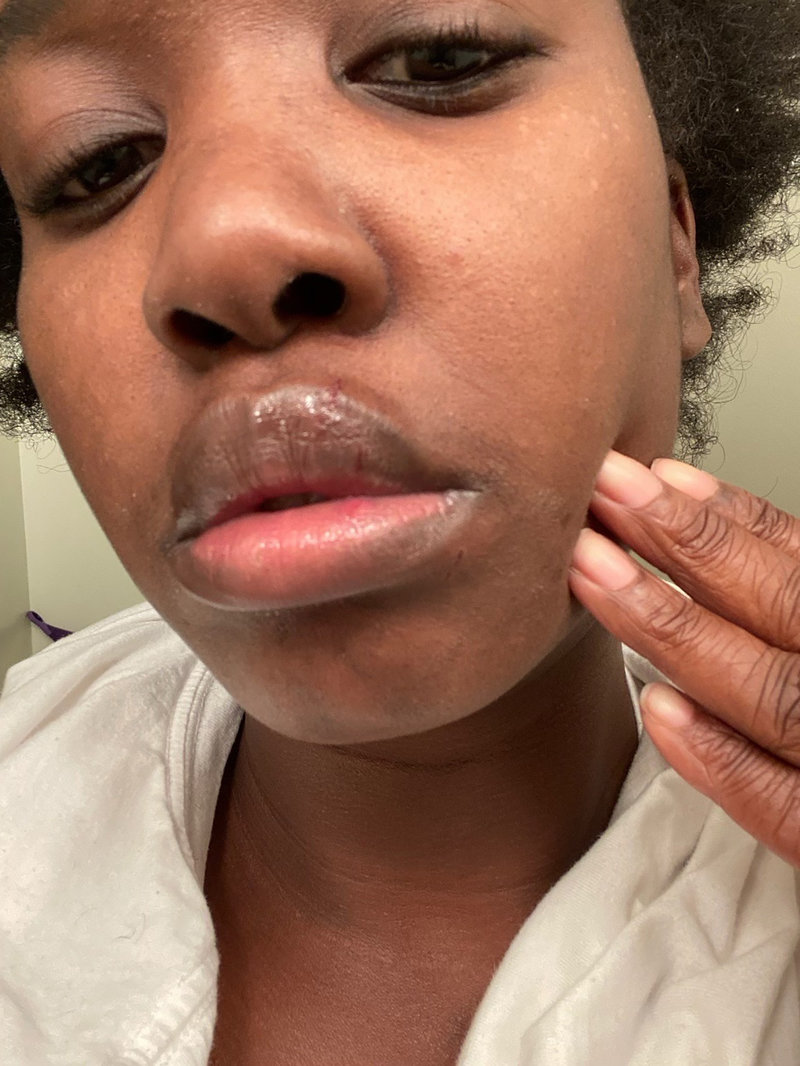
Categories
Victims

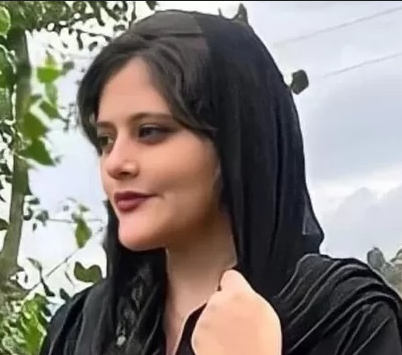
Mahsa Jîna Amini, 13.09.2022. Arrested and killed in the police station – Tehran

September 13, 2022 – Tehran
22-year-old. Arrested and beaten up during her transportation : fell into a coma before before dying 3 days later from a cerebral hemorrhage or stroke due to head injuries

Iranian government introduced a mandatory dress code for women after the Iranian Revolution of 1979. On 7 March, less than a month after the revolution, then recently named Supreme Leader Ruhollah Khomeini decreed the hijab (Islamic headscarf) to be mandatory for all women in workplaces. He further decreed that women would no longer be allowed to enter any government office without the hijab, as they would be “naked” without it.

Since then, violence and harassment against women not wearing the hijab in accordance with Iranian government standards, whether by law enforcement personnel or pro-government vigilantes, has been reported. From 1980, women could not enter government or public buildings or attend their workplaces without a hijab. In 1983, mandatory hijab in public was introduced in the penal code, stating that “women who appear in public without religious hijab will be sentenced to whipping up to 74 lashes“. In practice, however, a number of women, such as Saba Kord Afshari and Yasaman Aryani, were sentenced only to heavy prison terms.

Mahsa was born on 21 September 1999 to a Kurdish family in Saqqez, Kurdistan Province, in northwestern Iran. While Mahsa was her Persian given name, her Kurdish name was Jîna, and this was the name her family used.

For Masha, as can be seen from her photos and videos on social media, only the mandatory rules made her wear hijab half-heartedly. She did not observe the hijab in various events such as weddings and wore traditional Kurdish clothes that do not have a hijab. She also partially observed hijab when traveling to tourist areas. This issue caused the moral security officers to arrest her and beat her. This also caused people, especially women and girls, to join her and put away their hijab.

Masha had come to Tehran to visit her brother and on 13 September 2022 she was arrested by the Guidance Patrol at the entry of the Shahid Haghani Expressway in Tehran while in the company of her family. She was then transferred to the custody of Moral Security. Her brother, who was with her when she was arrested, was told she would be taken to the detention center to undergo a “briefing class” and released an hour later.

Masha was beaten by police shortly after her arrest, while in a police van. After she arrived at the police station, she began to lose vision and fainted. Two hours after her arrest, She was taken to Kasra Hospital.It took 30 minutes for the ambulance to arrive, and an hour and a half for her to get to Kasra hospital. Iranian police later denied beating Masha, claiming she had “suffered a sudden heart failure“. Police later stated to her brother that his sister had a heart attack and a brain seizure at the police station to which she had been taken.

For two days, Masha was in a coma in Kasra Hospital in Tehran. On 16 September, journalist Niloofar Hamedi (later arrested) broke the story of her coma, posting to Twitter a photo of Masha‘s father and grandmother crying and embracing in the hospital hallway. She died in the intensive care unit later that day. The clinic where she was treated released a statement on Instagram saying that she had already been brain dead when she had been admitted around 13 September. By 19 September, the post had been deleted.

On 17 September, the police chief of Tehran stated that the grounds of Masha‘s arrest were wearing her headscarf improperly and for wearing tight pants.

Published hospital pictures show Mahsa Amini bleeding from the ear and with bruises under her eyes. In an 18 September letter, Doctor Hossein Karampour (the top medical official in Hormozgan province), pointed out that such symptoms “do not match the reasons given by some authorities who declared the cause to be a heart attack… (they are instead consistent with) a head injury and the resulting bleeding.” This was also confirmed by alleged medical scans of her skull, leaked by hacktivists, showing bone fracture, hemorrhage, and brain edema.

By 19 September, police had released CCTV footage showing a woman, who they identified as Masha, talking with an official. In the footage, the official grabs her clothing, and Masha holds her head with her hands and collapses. Her father dismissed the footage as an “edited version” of events. Her brother noticed bruises on her head and legs. The women who were detained with her said she had been severely beaten for resisting the insults and curses of the arresting officers.

According to Iran International, the Iranian government was forging fake medical records for Masha, showing that she had a history of heart disease. On 20 September, Massoud Shirvani, a neurosurgeon, stated on state-owned television that she had a brain tumor that was extracted at the age of eight.

By 21 September, the hospital had released preliminary CT scans. Government supporters stated the CT scans showed psychological stress caused by a previous brain operation; critics stated the scans showed physical beating and trauma. The Iranian government stated Masha had a brain operation at the age of five.

Regarding various government claims, Mahsa‘s father Amjad Amini told the BBC around 22 September that “they are lying… She never had any medical conditions, she never had surgery.” (Two classmates, interviewed by the BBC, said that they weren’t aware of Mahsa ever being in hospital.) Amjad said he had not been allowed to view his daughter‘s autopsy report. He denied that Mahsa had been in bad health. “I asked them to show me the body-cameras of the security officers, they told me the cameras were out of battery.” Iranian authorities had charged that Mahsa was wearing immodest clothes when arrested; Amjad rejected this claim, stating that she always wore a long overcoat. Amjad said he was repeatedly prevented by medical staff from seeing his daughter‘s body after her death: “I wanted to see my daughter, but they wouldn’t let me in”, and charged that when he asked to see the autopsy report, he was told by the doctor: “I will write whatever I want and it has nothing to do with you.” Amjad saw the body after it had been wrapped for the funeral, and noticed bruises on her feet, but could not see the rest of the body due to the wrapping. Iranian authorities denied any head injuries or internal injuries.

According to Iran International, on 29 September an audio file was released by a former commander of Iran’s Revolutionary Guards Corps, which reported unnamed “reliable sources” saying that the reason for Mahsa‘s death was an injury to her skull and that the injury was the result of a severe beating.

The Amini family’s lawyer, Saleh Nikbakht, told the Etemad online news website that “respectable doctors” believe Mahsa was hit while in custody. Nikbakht also said the family wants a fact-finding committee to probe her death, and that police footage filmed after her arrest should be handed over.

By 2 October, Masha‘s family had acknowledged that she had an operation for a minor neurological condition (possibly a brain tumor) at the age of eight, but said it had been under control through levothyroxine (a medication to treat hypothyroidism), and that her doctors had recently given her the all-clear. Citing medical specialists they had consulted, the family stated the condition was unrelated to Masha‘s death.

A 7 October coroner’s report stated that her death was “not caused by blows to the head and limbs” and instead linked her death to pre-existing medical conditions, ruling that she had died from multiple organ failure caused by cerebral hypoxia. The report stated Masha had had a brain tumor operation when she was eight. The report did not say whether she had suffered any injuries.

In a 13 October letter, over 800 members of Iran’s Medical Council accused the head of Iran’s Medical Council of assisting in a government cover-up of the cause of Mahsa‘s death.

In an 8 December article, Der Spiegel confirmed with Masha‘s grandfather that she had a brain tumor removed when she was an elementary school student. Her grandfather emphasized that the tumor was benign, and stated that she never had any health problems since the operation. Der Spiegel also relayed a report from one her two cousins present at Masha‘s arrest, stating that she had been forced into the arrest vehicle by the morality police.

Physical violence
X
Arrest
 Detention / Custody
 Hustle / Projection
 Prone position / lying flat on the stomach / ventral decubitus
 Folding” (holding a person in a seated position with their head resting on their knees)
 Painful armlock
 XKicks, punches, slaps
 Feet / knees on the nape of the neck, chest or face
 Blows to the victim while under control and/or on the ground
 Blows to the ears
 Strangulation / chokehold
 Fingers forced backwards
 Spraying with water
 Dog bites
 Hair pulling
 Painful tightening of colson ties or handcuffs
 Painfully pulling by colson ties or handcuffs
 Sexual abuse
 Striking with a police vehicle
 Electric shocks
 Use of gloves
 Use of firearm
 Use of “Bean bags” (a coton sack containing tiny lead bullets)
 Use of FlashBall weapon
 Use of sound grenade
 Use of dispersal grenade
 Use of teargas grenade
 Use of rubber bullets weapon (LBD40 type)
 Use of batons
 Use of Pepper Spray
 Use of Taser gun
 Use of tranquillisers
 Execution
 Disappearance
Psychological violence
 Charge of disturbing public order
 Charge of rebellion
 Accusation of beatings to officer
 Charge of threatening officer
 Charge of insulting an officer
 Charge of disrespect
 Charge of resisting arrest
 Aggressive behaviour, disrespect, insults
 Intimidation, blackmail, threats
 Vexing or intimidating identity check
 Mock execution
 Intimidation or arrest of witnesses
 Prevented from taking photographs or from filming the scene
 Calls to end torment remained unheeded
 Prolonged uncomfortable position
XFailure to assist a person in danger
 Photographs, fingerprints, DNA
 Threat with a weapon
 Shooting in the back
 Charging without warning
 Kettling (corraling protestors to isolate them from the rest of the demonstration)
 Car chase
 Sexist remarks
 Homophobic remarks
 Racist comments
 Intervention in a private place
 Mental health issues
 Harassment
 Body search
 Home search
 Violence by fellow police officers
 Passivity of police colleagues
 Lack or refusal of the police officer to identify him or herself
 Refusal to notify someone or to telephone
 Refusal to administer a breathalyzer
 Refusal to fasten the seatbelt during transport
 Refusal to file a complaint
 Refusal to allow medical care or medication
XLies, cover-ups, disappearance of evidence
 Undress before witnesses of the opposite sex
 Bend down naked in front of witnesses
 Lack of surveillance or monitoring during detention
 Lack of signature in the Personal Effects Register during detention
 Deprivation during detention (water, food)
 Inappropriate sanitary conditions during detention (temperature, hygiene, light)
 Sleep deprivation
 Confiscation, deterioration, destruction of personal effects
 Pressure to sign documents
 Absence of a report
 Complacency of doctors
  • 16.09.2022 – Death of Masha
  • 13.09.2022 – Arrest and beating of Masha
  • Lawyer : Saleh Nikbakht
  • Collective :
  • Donations :
Categories
Victims

Shantel Arnold, 20.09.2021. Brutalized – Jefferson Parish

September 20, 2021 – Jefferson Parish (LA)
34 year-old. Repeatedly smashed to the ground by her braids

Shantel was walking home around 2 p.m. when Jefferson Parish sheriff’s deputy Julio Alvarado, a 16-year veteran of the Sheriff’s Office, pulled up in his vehicle and demanded she stop and talk to him, according to Shantel and two witnesses related to her, as well as their statements provided to a sheriff’s investigator. She told him that she had just been assaulted by several boys from the neighborhood and wanted to go home, and she continued walking. Arnold is 4-foot-8, about 100 pounds and is missing her left eye from a car accident.

According to the two witnesses, Lionel Gray, 71, whom Arnold considers her stepfather, and Arnold’s 55-year-old uncle, Tony Givens, Alvarado jumped out of his vehicle, grabbed Shantel and threw her to the ground, unprovoked. The 14-second video captures what happened next. It shows Alvarado dragging Arnold along the pavement. They briefly disappear behind a parked white vehicle. When they come back into view, Alvarado is holding Shantel by her braids, slamming her repeatedly onto the pavement. At one point, he whips her down so violently her body spins around and flips over. The footage ends with Alvarado crouching down and placing a knee onto Shantel’s back.

The Sheriff’s Office opened an internal probe into the deputy’s actions shortly after the incident, though Shantel did not file a complaint. That’s an action the Sheriff’s Office often does not take, even in cases where citizens complain about the inappropriate use of force.

The probe remains open. At the same time, the office issued a statement saying the video had been “selectively edited.” The statement asserted that Arnold was intoxicated and that she had been resisting arrest.

ProPublica dug out the troubling violent history of excessive-force allegations against officer Julio Alvarado : he has been named in 9 civil rights lawsuits, more than any deputy currently employed at the JPSO…

Justice and Light for Shantel and her family !
Physical violence
X
Hustle / Projection
 Kicks, punches, slaps
 XFeet / knees on the nape of the neck, chest or face
 Blows to the victim while under control and/or on the ground
 Blows to the ears
 Strangulation / chokehold
 Painful armlock
 Fingers forced backwards
 Spraying with water
 Dog bites
XHair pulling
 Painfully pulling by colson ties or handcuffs
 Sexual abuse
 Use of gloves
 Use of firearm
 Use of “Bean bags” (a coton sack containing tiny lead bullets)
 Use of FlashBall weapon
 Use of sound grenade
 Use of dispersal grenade
 Use of teargas grenade
 Use of rubber bullets weapon (LBD40 type)
 Use of batons
 Use of Pepper Spray
 Use of Taser gun
 Use of tranquillisers
Psychological violence
 Charge of disturbing public order
 Charge of rebellion
 Accusation of beatings to officer
 Charge of threatening officer
 Charge of insulting an officer
 Charge of disrespect
 Charge of resisting arrest
 Photographs, fingerprints, DNA
 Threat with a weapon
XAggressive behaviour, disrespect, insults
 Charging without warning
 Car chase
 Calls to end torment remained unheeded
 Sexist remarks
 Homophobic remarks
 Racist comments
 Violence by fellow police officers
 Passivity of police colleagues
 Lack or refusal of the police officer to identify him or herself
 Vexing or intimidating identity check
 Intimidation or arrest of witnesses
 Prevented from taking photographs or from filming the scene
 Refusal to notify someone or to telephone
 Refusal to administer a breathalyzer
 Refusal to fasten the seatbelt during transport
 Refusal to file a complaint
 Refusal to allow medical care or medication
 Lies, cover-ups, disappearance of evidence
 Undress before witnesses of the opposite sex
 Bend down naked in front of witnesses
 Lack of surveillance or monitoring during detention
 Lack of signature in the Personal Effects Register during detention
 Confiscation, deterioration, destruction of personal effects
 Pressure to sign documents
 Absence of a report
 Deprivation during detention (water, food)
 Inappropriate sanitary conditions during detention (temperature, hygiene, light)
 Complacency of doctors
 Kettling (corraling protestors to isolate them from the rest of the demonstration)
 Prolonged uncomfortable position
  • 10.20.2021 – Statement issued by Sheriff’s Office saying the video had been “selectively edited”
  • 09.20.2021 – Probe opened by Sheriff’s Office
  • 09.20.2021 – Agression of Shantel

Lorem ipsum dolor sit amet, consectetur adipiscing elit. Ut elit tellus, luctus nec ullamcorper mattis, pulvinar dapibus leo.

  • Lawyer :
  • Collective :
  • Donations :
  • Petition : Sign the petition to fire Police officer Julio Alvarado for Assaulting Shantel Arnold]
Categories
Victims

Rickia Young, 27.10.2020. Assaulted and separated from child – Philadelphia (PA)

October 27, 2020 – Chestnut StreetPhiladelphia (PA)
28-year old. Assaulted, arrested and separated her from her child : traumatized, internal injuries, Her nephew had broken bones in his hand and a large welt on his head

Rickia Young, a Black mother, was attacked by a horde of Philadelphia police officers while she was driving an SUV with her 2-year-old son and teenage nephew on October 27 as the city was engulfed in protest over the police killing of Walter Wallace Jr. earlier that day.

Officers descended on the vehicle, broke its windows, assaulted and arrested her and separated her from her child. Rickia’s arrest went viral due to a shocking video of the police swarming her vehicle, and after the National Fraternal Order of Police — the country’s largest police union — posted a photo of her 2-year-old on social media, falsely claiming he “was lost during the violent riots in Philadelphia, wandering around barefoot in an area that was experiencing complete lawlessness.”

More than a month after the police attack, Rickia Young is demanding the officers involved be fired. “The police have not offered an explanation as to why they acted the way they did that night. They responded instead with a police investigation into Rickia,” says Kevin Mincey, her attorney.

“Once I got close enough to see the cops, I stopped. Like, I stopped right there. I was trying to turn around. But it was like people came inside the street and was up there throwing stuff at the cops.

Next you know, the cops started charging, started running. My nephew was saying, “Lock the doors! Lock the doors!” because they was banging on the car, saying mean things: “Turn this F-ing car around!” and “Get out the F-ing car!” And they had yanked my door open. But by that time, they had busted the back window. They pulled me out the car, and they busted the other window.

I was up there yelling at them, like, “My son is in the car! My son is in the car!” And once they busted that window, they had woke him up. And they was up there, like, doing whatever they was doing to me, hitting me, throwing me, macing me. My son, the look on his face, he was petrified. Petrified.

I was asking, like, “What’s going on?” like, you know, “Where’s my son? Where’s my son?” like screaming, like trying to find my son. The officer had the nerve to tell me, “He’s in a better place: DHS.” You can say anything you want about me, but calling me — like, saying something like that to me is an insult. They, as a whole, the Philadelphia Police Department, treated me as if I was an animal on the street. An animal don’t even deserve that.

He is petrified. And he’s only 2 years old. My mom and my nephew asked him what happened. He was saying, ‘[bleep] car. [bleep] door. Open door,’ and up there banging his hand, like as if — like, you know, the cops was banging on the car. He just kept repeating it like he’s still trying to tell the story. Like, he acts out. He bite his nails. He pull his hair now. He never did those things before. He’s traumatized. He is going through something. He knows words, but, you know, he can’t express to me how he’s feeling.”

According to her lawyer, “They held her vehicle — first, after losing her vehicle, not knowing where it was for several days, according to what they told us. And when they finally recovered it three or four days later, none of her belongings were inside. The hearing aids were gone. Her purse, her wallet were gone. And the car had even more damage than when she last saw it after they had smashed out all the windows.[There has been no — there has been no explanation. The only thing that they’ve even tried to do is kind of workshop a story where they were going to accuse her of trying to assault a police officer. That was done after they had taken her into custody. When Rickia was in the hospital and being held at police headquarters, on her wristband it referenced assault on police.

But you can see from the videos that were taken that night that Rickia’s car never moved that night. When she came down Chestnut Street and started to turn and turn around, she stopped right there. She didn’t back up, because there were people behind her. There were people running towards her. She didn’t do anything to try and assault an officer. And that’s ultimately, I think, why they ultimately chose not to charge her criminally, because they had no evidence to support such a charge.

Fortunately for Rickia, there were two young women who were in the paddy wagon with her that night, and one of the women still had her cellphone on her, incredibly. And so, Rickia was able to get the young lady to call her sister, and Rickia was able to tell her sister and her mother then what happened out there on 52nd Street that night. And then her mother and her sister went out to 52nd Street to question the police.

At first, the police acted as though they didn’t know what they were talking about. And eventually they directed Rickia’s mother and sister to 15th Street, which is about four miles away from where all this happened — and 15th and JFK, to be exact, which is near where the Department of Human Services is here in Philadelphia.

And when they went down to 15th and JFK, Rickia’s mother found her son sitting in the backseat of a police car still in his car seat. And when she touched his hair, glass fell out of his hair. There was still glass from the car in the car seat. The police were just allowing him to sit in that glass.

Rickia’s son had a large welt on his head. She had internal injuries. Her nephew had broken bones in his hand. So, it’s a slow recovery from the physical injuries and an even slower recovery from the emotional trauma that they’re going to be dealing with probably for the rest of their lives.

Physical violence
 Hustle / Projection
X
Kicks, punches, slaps
 Feet / knees on the nape of the neck, chest or face
 Blows to the victim while under control and/or on the ground
 Blows to the ears
 Strangulation / chokehold
 Painful armlock
 Fingers forced backwards
 Spraying with water
 Dog bites
 Hair pulling
 Painfully pulling by colson ties or handcuffs
 Sexual abuse
 Use of gloves
 Use of firearm
 Use of “Bean bags” (a coton sack containing tiny lead bullets)
 Use of FlashBall weapon
 Use of sound grenade
 Use of dispersal grenade
 Use of teargas grenade
 Use of rubber bullets weapon (LBD40 type)
XUse of batons
 Use of Pepper Spray
 Use of Taser gun
 Use of tranquillisers
Psychological violence
 Charge of disturbing public order
 Charge of rebellion
 Accusation of beatings to officer
 Charge of threatening officer
 Charge of insulting an officer
 Charge of disrespect
 Charge of resisting arrest
 Photographs, fingerprints, DNA
 Threat with a weapon
XAggressive behaviour, disrespect, insults
 Charging without warning
 Car chase
 Calls to end torment remained unheeded
 Sexist remarks
 Homophobic remarks
 Racist comments
 Violence by fellow police officers
 Passivity of police colleagues
 Lack or refusal of the police officer to identify him or herself
 Vexing or intimidating identity check
 Intimidation or arrest of witnesses
 Prevented from taking photographs or from filming the scene
 Refusal to notify someone or to telephone
 Refusal to administer a breathalyzer
 Refusal to fasten the seatbelt during transport
 Refusal to file a complaint
 Refusal to allow medical care or medication
 Lies, cover-ups, disappearance of evidence
 Undress before witnesses of the opposite sex
 Bend down naked in front of witnesses
 Lack of surveillance or monitoring during detention
 Lack of signature in the Personal Effects Register during detention
XConfiscation, deterioration, destruction of personal effects
 Pressure to sign documents
 Absence of a report
 Deprivation during detention (water, food)
 Inappropriate sanitary conditions during detention (temperature, hygiene, light)
 Complacency of doctors
 Kettling (corraling protestors to isolate them from the rest of the demonstration)
 Prolonged uncomfortable position
  • 10.28.2020 – Internal Affairs investigation initiated
  • 10.28.2020 – 5 officers placed on desk duty
  • 10.27.2020 – Aggression of Rickia

Lorem ipsum dolor sit amet, consectetur adipiscing elit. Ut elit tellus, luctus nec ullamcorper mattis, pulvinar dapibus leo.

[Source: Democracy Now!]

Categories
Victims

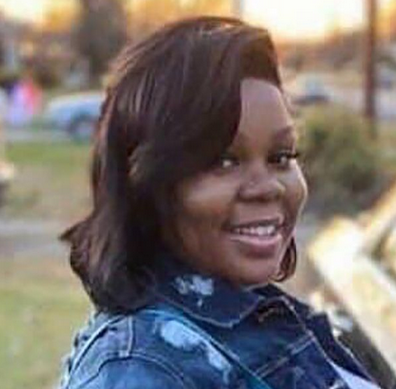
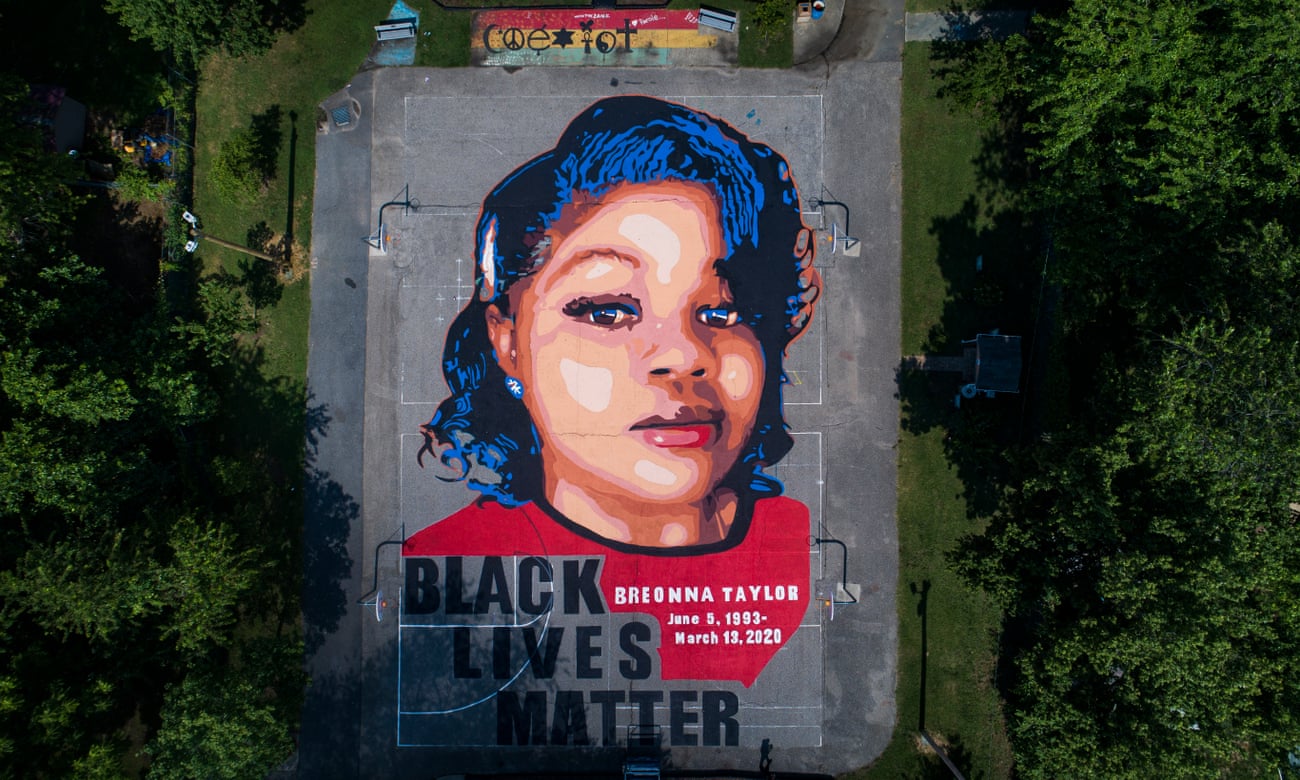
Breonna Taylor, 13.03.2020. Shot dead – Louisville (KY)

March 13, 2020 – Louisville (KY)
26-year old. Shot 8 times: deceased

Breonna Taylor, an certified emergency room technician, was struck by eight police bullets as officers attempted to serve a no-knock warrant on her home during a narcotics investigation.

Records show that police believed that a suspect in the narcotics investigation, Jamarcus Glover, used Breonna’s home to receive mail, keep drugs or stash money earned from the sale of drugs. However, according to the lawsuit filed by Breonna’s family, police had identified Glover at a home more than 10 miles from Breonna’s apartment before they executed the warrant at her residence.

The police pursued no-knock‘ search warrant in fatal shooting of Breonna in her home, meaning they don’t have to identify themselves before entering a residence or business, if there is a reasonable suspicion that knocking would be dangerous, futile or inhibit the “effective investigation of the crime,” according to Louisville Metro Police policies.

Breonna and her boyfriend Kenneth Walker woke up to the unannounced entry and believed their home was being broken into. Kenneth Walker fired his gun first, believing intruders were invading their home and striking an officer in the leg. Officers returned fire. No drugs were found in the home. During the gunfire, Breonna was struck at least eight times and died.

There is no body camera footage available. Police Chief Steve Conrad said the Criminal Interdiction Squad does not use that equipment.

Kentucky Gov. Andy Beshear and  U.S. Sen. Kamala Harris, D-Calif., are among those calling for a federal investigation into Breonna‘s death.

Daniel Cameron, the Kentucky attorney general, released the 15-hour recordings that include interviews with witnesses, audio of 911 calls and other evidence after a judge ordered him to do so, but the recordings did not include the instructions that prosecutors gave to the 12 jurors. Grand jurors are given broad powers, but prosecutors often closely guide the jurors and inform them about their role. The process almost always remains secret.

The grand jurors met in person over three days and reviewed police interviews of officers and witnesses at the scene, 911 calls and body camera videos from after Breonna‘s death. They also met directly with detectives who had investigated the killing. At times the jurors sound inquisitive or skeptical on the recordings, peppering the detectives with questions and pointing out inconsistencies in some of the officers’ accounts.

A federal judge in Kentucky Monday 21, July 2025 sentenced former Louisville police officer Brett Hankison to 33 months in prison for using excessive force during the deadly police raid that killed Breonna in her own home. U.S. District Judge Rebecca Grady Jennings rejected prosecutors’ recommendation to have Hankison sentenced to just one day in prison, calling the effort “not appropriate.”

Hankison fired 10 bullets during the no-knock raid in March 2020 — some of which penetrated the walls of a neighbor’s home where a family was sleeping. Breonna was a Black woman, whose killing sparked nationwide racial justice protests under the banner “Black Lives Matter.” Civil rights attorney Ben Crump spoke after Monday’s sentencing.

Breonna Taylor’s killing, five years later, is telling us a lot at which direction we’re going to go. Are we going to continue to be a democracy that upholds the objective of liberty and justice for all, or are we going to descend into being a police state where the police can do anything?

Louisville Metro Police arrested four protesters who blocked traffic outside the federal court where Hankison was sentenced Monday. Among those arrested was Bianca Austin, Breonna’s aunt.

Justice & Light for Breonna and her loved ones!
Physical violence
 Arrest
 Detention / Custody
 Hustle / Projection
 Prone position / lying flat on the stomach / ventral decubitus
 Folding” (holding a person in a seated position with their head resting on their knees)
 Painful armlock
 Kicks, punches, slaps
 Feet / knees on the nape of the neck, chest or face
 Blows to the victim while under control and/or on the ground
 Blows to the ears
 Strangulation / chokehold
 Fingers forced backwards
 Spraying with water
 Dog bites
 Hair pulling
 Painful tightening of colson ties or handcuffs
 Painfully pulling by colson ties or handcuffs
 Sexual abuse
 Striking with a police vehicle
 Use of gloves
XUse of firearm
 Use of “Bean bags” (a coton sack containing tiny lead bullets)
 Use of FlashBall weapon
 Use of sound grenade
 Use of dispersal grenade
 Use of teargas grenade
 Use of rubber bullets weapon (LBD40 type)
 Use of batons
 Use of Pepper Spray
 Use of Taser gun
 Use of tranquillisers
 Disappearance
Psychological violence
 Charge of disturbing public order
 Charge of rebellion
 Accusation of beatings to officer
 Charge of threatening officer
 Charge of insulting an officer
 Charge of disrespect
 Charge of resisting arrest
 Aggressive behaviour, disrespect, insults
 Intimidation, blackmail, threats
 Vexing or intimidating identity check
 Intimidation or arrest of witnesses
 Prevented from taking photographs or from filming the scene
 Calls to end torment remained unheeded
 Prolonged uncomfortable position
 Failure to assist a person in danger
 Photographs, fingerprints, DNA
 Threat with a weapon
 Shooting in the back
XCharging without warning
 Kettling (corraling protestors to isolate them from the rest of the demonstration)
 Car chase
 Sexist remarks
 Homophobic remarks
 Racist comments
XIntervention in a private place
 Mental health issues
 Harassment
 Body search
 Home search
 Violence by fellow police officers
 Passivity of police colleagues
 Lack or refusal of the police officer to identify him or herself
 Refusal to notify someone or to telephone
 Refusal to administer a breathalyzer
 Refusal to fasten the seatbelt during transport
 Refusal to file a complaint
 Refusal to allow medical care or medication
 Lies, cover-ups, disappearance of evidence
 Undress before witnesses of the opposite sex
 Bend down naked in front of witnesses
 Lack of surveillance or monitoring during detention
 Lack of signature in the Personal Effects Register during detention
 Deprivation during detention (water, food)
 Inappropriate sanitary conditions during detention (temperature, hygiene, light)
 Confiscation, deterioration, destruction of personal effects
 Pressure to sign documents
 Absence of a report
 Complacency of doctors
  • 21.07.2025Brett Hankison sentenced to 33 months in prison for using excessive force
  • 12.30.2020 – Louisville Police Department terminates Detective Myles Cosgrove and and Detective Joshua Jaynes
  • 10.02.2020 – Daniel Cameron, the Kentucky attorney general releases 15 hours of recording
  • 09.24.2020 – Grand Jury declines to charge any of the three white police officers, only indictments were three counts of “wanton endangerment” against former Louisville police detective Brett Hankison for shooting into the apartment of a neighbor
  • 09.22.2020 : Six Louisville Metro Police officers under an internal investigation : department’s Professional Standards Unit has begun its probe into Det. Myles Cosgrove and Sgt. Jonathan Mattingly, who fired their weapons into Breonna’s apartment on March 13; Det. Joshua Jaynes, who sought the search warrant for her apartment; and Det. Tony James, Det. Michael Campbell and Det. Michael Nobles
  • 09.15.2020 – City of Louisville, Kentucky, announces it will pay the family of Breonna $12 million and institute a slew of reforms to the police department responsible for her death
  • 06.2020 – Det. Brett Hankison fired
  • 05.13.2020 – Jefferson County commonwealth’s attorney Tom Wine recuses himself from reviewing Louisville police officers’ conduct, citing conflict of interest – he is prosecuting Walker. Kentucky Attorney General Daniel Cameron confirms his office had been asked to serve as a special prosecutor
  • 04.27.2020 – Attorney for Breonna’s estate files a wrongful death suit against the city
  • 03.14.2020 – Police opens internal investigation. 3 Officers involved placed on administrative leave. Kenneth Walker charged with attempted murder of a police officer
  • 03.13.2020 – Killing of Breonna


2020.03.13_TAYLOR.Breonna_Louisville.USA_Mural_JimLoScalzoEPA.jpg
Categories
Victims

Tanya Day, 05.12.2017. Died in custody – Victoria

December 5, 2017, Castlemaine police station – Victoria
55-year-old. Arrested for drunkenness : died in custody after hitting her forehead on the cell wall…

The inquest into the death in custody of Aboriginal woman Tanya Day has been shown footage of her hitting her forehead on the cell wall less than a minute after she was checked by police.

That impact, which occurred shortly before 5pm, caused a brain haemorrhage but was undetected until 8.03pm, when police noticed a lump on her head and called an ambulance. The 55-year-old Yorta Yorta woman died in hospital 17 days later.

CCTV footage played in court on Monday shows that Tanya hit her head five times while in holding cell one at Castlemaine police station on 5 December 2017.

It also showed police straightening cushions before they approached Tanya when they entered the cell at 8.03pm, and bend over her for several seconds before lifting her back on to the bench and covering her with a blanket.

The first fall was at 4.20pm, just 25 minutes after she was left alone in the cell to “sober up” after being arrested for public drunkenness.

It shows she hit the back of her bed after falling back when sitting down on the bed, after roaming unsteadily around the cell. At 4.44pm she stands up, walks unsteadily towards the water fountain on the cell wall, then stumbles backward, hitting the back of her head again as she fell on the bed.

Police guidelines state that intoxicated people should be subject to a physical cell check every 30 minutes, but sergeant Edwina Neale told the inquest she requested 20-minute checks because Tanya was “more vulnerable”.

Neale said that was then changed to a physical check every 40 minutes, with a check on CCTV monitors in between, because Wolters told her that Tanya was “becoming a bit distressed and asking to go home and he felt she would be better if she was left to sleep a bit longer in between checks”.

Cairnes initially told the inquest that he saw Tanya standing in the cell as Wolters called out: “Tanya, are you OK?

Due to the thickness of the cell walls, he said, he did not hear what Tanya said in response, but he said she did give a verbal response and Woltersseemed satisfied by that”.

Justice and Light for Tanya, her family and friends !
Physical violence
 Kicks, punches, slaps
 Feet / knees on the nape of the neck, chest or face
 Blows to the victim while under control and/or on the ground
 Blows to the ears
 Strangulation / chokehold
 Painful armlock
 Fingers forced backwards
 Spraying with water
 Dog bites
 Hair pulling
 Tirage par les cheveux
 Painful tightening of colson ties or handcuffs
 Painfully pulling by colson ties or handcuffs
 Use of gloves
 Use of firearm
 Use of “Bean bags” (a coton sack containing tiny lead bullets)
 Use of FlashBall weapon
 Use of sound grenade
 Use of dispersal grenade
 Use of teargas grenade
 Use of rubber bullets weapon (LBD40 type)
 Use of batons
 Use of Pepper Spray
 Use of Taser gun
Psychological violence
 Charge of disturbing public order
 Charge of rebellion
 Accusation of beatings to officer
 Charge of threatening officer
 Charge of insulting an officer
 Threat with a weapon
 Aggressive behaviour, disrespect, insults
 Calls to end torment remained unheeded
 Sexist remarks
 Homophobic remarks
 Racist comments
 Violence by fellow police officers
 Passivity of police colleagues
 Lack or refusal of the police officer to identify him or herself
 Vexing or intimidating identity check
 Intimidation or arrest of witnesses
 Prevented from taking photographs or from filming the scene
 Refusal to notify someone or to telephone
 Refusal to administer a breathalyzer
 Refusal to fasten the seatbelt during transport
 Refusal to file a complaint
XRefusal to allow medical care or medication
 Lies, cover-ups, disappearance of evidence
 Undress before witnesses of the opposite sex
 Bend down naked in front of witnesses
XLack of surveillance or monitoring during detention
 Lack of signature in the Personal Effects Register during detention
 Confiscation, deterioration, destruction of personal effects
 Pressure to sign documents
 Absence of a report
 Deprivation during detention (water, food)
 Inappropriate sanitary conditions during detention (temperature, hygiene, light)
 Complacency of doctors
 Kettling (corraling protestors to isolate them from the rest of the demonstration)
 Prolonged uncomfortable position
  • 22.12.2017 – Death of Tanya
  • 05.12.2017 – Arrest of Tanya
  • Lawyer :
  • Collective :
  • Donations :