Categories
Victims

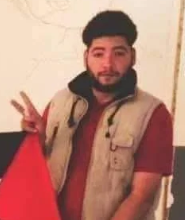
Hussein Bourekba, 12.03.2024. Arrested – Agadir

March 12, 2024 – In a café in the Al-Huda neighborhood near the campus of Ibn Zohr University
23 year-old. Arrested on fabricated charges and jailed

Two Sahrawi students have been arbitrarily sentenced to two years in prison by a court of the Moroccan occupation authorities in Agadir, Sahrawi human rights activists told SPS.

According to the same sources, the Sahrawi students and political prisoners, Hussein Bourekba and Ayman Al-Yathribi, who are in detention, were charged by the Moroccan occupation court with false and fabricated charges, including unlawful assembly, assault on civil rights protesters, theft, , participation in a robbery, and physical assault, along with other criminal and political charges, even though some witnesses renounced their testimonies and the two Sahrawi students categorically denied all the accusations.

On June 6, 2024, the Court of First Instance of the Moroccan city of Agadir issued its unjust preliminary ruling against the two Sahrawi political prisoners, Hussein Bourekba and Ayman Al-Yathribi, with a sentence of up to ten years of effective imprisonment, in the context of their student activity and their political positions that claim the right of the Sahrawi people to self-determination and independence. However, the court was unable to present any credible evidence supporting the charges against them, as witnesses testified in court that they did not recognize the accused, contradicting their earlier statements in police records that had been used as the basis for the convictions.

The two Sahrawi students and political prisoners were arrested on January 23, 2024, and March 12, 2024, following a heated debate and provocation by Moroccan students who sought to impose their views on the official Moroccan position regarding the occupied Western Sahara.

Both students were subjected to ill-treatment during their detention and went on multiple hunger strikes in protest of their harsh conditions.

Physical violence
Arrest
XDetention / Custody
 Hustle / Projection
 Prone position / lying flat on the stomach / ventral decubitus
 Folding” (holding a person in a seated position with their head resting on their knees)
 Painful armlock
 Kicks, punches, slaps
 Feet / knees on the nape of the neck, chest or face
 Blows to the victim while under control and/or on the ground
 Blows to the ears
 Strangulation / chokehold
 Fingers forced backwards
 Spraying with water
 Dog bites
 Hair pulling
 Painful tightening of colson ties or handcuffs
 Painfully pulling by colson ties or handcuffs
 Sexual abuse
 Striking with a police vehicle
 Electric shocks
 Use of gloves
 Use of firearm
 Use of “Bean bags” (a coton sack containing tiny lead bullets)
 Use of FlashBall weapon
 Use of sound grenade
 Use of dispersal grenade
 Use of teargas grenade
 Use of rubber bullets weapon (LBD40 type)
 Use of batons
 Use of Pepper Spray
 Use of Taser gun
 Use of tranquillisers
 Torture / Inhumane and degrading treatment
 Execution
 Kidnapping
 Disappearance
Psychological violence
 Charge of disturbing public order
 Charge of rebellion
XAccusation of beatings to officer
 Charge of threatening officer
 Charge of insulting an officer
 Charge of disrespect
 Charge of resisting arrest
 Aggressive behaviour, disrespect, insults
 Intimidation, blackmail, threats
 Vexing or intimidating identity check
 Mock execution
 Intimidation or arrest of witnesses
 Prevented from taking photographs or from filming the scene
 Calls to end torment remained unheeded
 Prolonged uncomfortable position
 Failure to assist a person in danger
 Photographs, fingerprints, DNA
 Threat with a weapon
 Shooting in the back
 Charging without warning
 Kettling (corraling protestors to isolate them from the rest of the demonstration)
 Car chase
 Sexist remarks
 Homophobic remarks
 Racist comments
 Intervention in a private place
 At the police station
 Mental health issues
 Harassment
 Body search
 Home search
 Violence by fellow police officers
 Passivity of police colleagues
 Lack or refusal of the police officer to identify him or herself
 Refusal to notify someone or to telephone
 Refusal to administer a breathalyzer
 Refusal to fasten the seatbelt during transport
 Refusal to file a complaint
 Refusal to allow medical care or medication
 Lies, cover-ups, disappearance of evidence
 Undress before witnesses of the opposite sex
 Bend down naked in front of witnesses
 Lack of surveillance or monitoring during detention
 Lack of signature in the Personal Effects Register during detention
 Deprivation during detention (water, food)
 Inappropriate sanitary conditions during detention (temperature, hygiene, light)
 Sleep deprivation
 Confiscation, deterioration, destruction of personal effects
 Pressure to sign documents
 Absence of a report
 Complacency of doctors
  • 07.01.2025 – Sentenced to 2 years in prison by Court of Appeal in Agadir
  • 06.06.2024 – Preliminary ruling by Court of First Instance of the Moroccan city of Agadir
  • 12.03.2024 – Arrest of Hussein
  • Lawyer :
  • Collective :
  • Donations :
Categories
Victims

Ayman Al-Yathribi, 23.01.2024. Arrested – Agadir

January 23, 2024, in the university district – Agadir
22 year-old. Arrested and jailed on fabricated charges

Two Sahrawi students have been arbitrarily sentenced to two years in prison by a court of the Moroccan occupation authorities in Agadir, Sahrawi human rights activists told SPS.

According to the same sources, the Sahrawi students and political prisoners, Hussein Bourekba and Ayman Al-Yathribi, who are in detention, were charged by the Moroccan occupation court with false and fabricated charges, including unlawful assembly, assault on civil rights protesters, theft, , participation in a robbery, and physical assault, along with other criminal and political charges, even though some witnesses renounced their testimonies and the two Sahrawi students categorically denied all the accusations.

On June 6, 2024, the Court of First Instance of the Moroccan city of Agadir issued its unjust preliminary ruling against the two Sahrawi political prisoners, Hussein Bourekba and Ayman El-Yethribi, with a sentence of up to ten years of effective imprisonment, in the context of their student activity and their political positions that claim the right of the Sahrawi people to self-determination and independence. However, the court was unable to present any credible evidence supporting the charges against them, as witnesses testified in court that they did not recognize the accused, contradicting their earlier statements in police records that had been used as the basis for the convictions.

The two Sahrawi students and political prisoners were arrested on January 23, 2024, and March 12, 2024, following a heated debate and provocation by Moroccan students who sought to impose their views on the official Moroccan position regarding the occupied Western Sahara.

Both students were subjected to ill-treatment during their detention and went on multiple hunger strikes in protest of their harsh conditions.

Physical violence
 XArrest
XDetention / Custody
 Hustle / Projection
 Prone position / lying flat on the stomach / ventral decubitus
 Folding” (holding a person in a seated position with their head resting on their knees)
 Painful armlock
 Kicks, punches, slaps
 Feet / knees on the nape of the neck, chest or face
 Blows to the victim while under control and/or on the ground
 Blows to the ears
 Strangulation / chokehold
 Fingers forced backwards
 Spraying with water
 Dog bites
 Hair pulling
 Painful tightening of colson ties or handcuffs
 Painfully pulling by colson ties or handcuffs
 Sexual abuse
 Striking with a police vehicle
 Electric shocks
 Use of gloves
 Use of firearm
 Use of “Bean bags” (a coton sack containing tiny lead bullets)
 Use of FlashBall weapon
 Use of sound grenade
 Use of dispersal grenade
 Use of teargas grenade
 Use of rubber bullets weapon (LBD40 type)
 Use of batons
 Use of Pepper Spray
 Use of Taser gun
 Use of tranquillisers
 Torture / Inhumane and degrading treatment
 Execution
 Kidnapping
 Disappearance
Psychological violence
 Charge of disturbing public order
 Charge of rebellion
XAccusation of beatings to officer
 Charge of threatening officer
 Charge of insulting an officer
 Charge of disrespect
 Charge of resisting arrest
 Aggressive behaviour, disrespect, insults
 Intimidation, blackmail, threats
 Vexing or intimidating identity check
 Mock execution
 Intimidation or arrest of witnesses
 Prevented from taking photographs or from filming the scene
 Calls to end torment remained unheeded
 Prolonged uncomfortable position
 Failure to assist a person in danger
 Photographs, fingerprints, DNA
 Threat with a weapon
 Shooting in the back
 Charging without warning
 Kettling (corraling protestors to isolate them from the rest of the demonstration)
 Car chase
 Sexist remarks
 Homophobic remarks
 Racist comments
 Intervention in a private place
 At the police station
 Mental health issues
 Harassment
 Body search
 Home search
 Violence by fellow police officers
 Passivity of police colleagues
 Lack or refusal of the police officer to identify him or herself
 Refusal to notify someone or to telephone
 Refusal to administer a breathalyzer
 Refusal to fasten the seatbelt during transport
 Refusal to file a complaint
 Refusal to allow medical care or medication
XLies, cover-ups, disappearance of evidence
 Undress before witnesses of the opposite sex
 Bend down naked in front of witnesses
 Lack of surveillance or monitoring during detention
 Lack of signature in the Personal Effects Register during detention
 Deprivation during detention (water, food)
 Inappropriate sanitary conditions during detention (temperature, hygiene, light)
 Sleep deprivation
 Confiscation, deterioration, destruction of personal effects
 Pressure to sign documents
 Absence of a report
 Complacency of doctors
  • 07.01.2025 – Sentenced to 2 years in prison by Court of Appeal in Agadir
  • 06.06.2024 – Preliminary ruling by Court of First Instance of the Moroccan city of Agadir
  • 23.01.2024 – Arrest of Ayman
  • Lawyer :
  • Collective :
  • Donations :
Categories
Victims

Ahmed Sbai, 08.11.2010. Jailed – Salé

Categories
Victims

Al-Nagem Al-Qarhi, 24.10.2010. Shot dead – Gdeim Izik

October 24, 2010 – Gdeim Izik protest camp
14 year-old. Shot dead : deceased

The Gdeim Izik protest camp (also spelled Gdayam Izik) was a protest camp in Western Sahara, established on 9 October 2010 and lasting into November that year, with related incidents occurring in the aftermath of its dismantlement on 8 November. The primary focus of the protests was against “ongoing discrimination, poverty and human rights abuses against local citizens“.

While protests were initially peaceful, they were later marked by clashes between Sahrawi civilians and Moroccan security forces. Some referred to the protests as the Third Sahrawi Intifada.

By the first week of November, the Gdeim Izik protest camp’s population was estimated at around 5,000. The primary objective of the camp was to protest against “ongoing discrimination, poverty and human rights abuses against local citizens”, but later some protesters also demanded independence for Western Sahara.

On 24 October, a vehicle trying to enter the camp was fired upon by Moroccan Army forces. As a result, 14-year-old Nayem Elgarhi died and other passengers were injured. According to the Moroccan Interior ministry, a bullet was fired from the vehicle forcing the security forces to return fire, with a final toll of one dead and three injured. However, according to the Polisario front, there were no weapons in the vehicle. According to SADR’s Occupied Territories and Communities Abroad Ministry, while the youths were bringing food, water and medicines to the protest camp, they were chased by the security forces since they fled El Aaiún.

Elgarhi‘s family denounced the boy’s secret burial, demanding a trial for the officers who shot him.

US Congressman Donald M. Payne, Chairman of the Subcommittee on Africa and Global Health, released the following statement:

I am deeply saddened by the death of Al-Nagem Al-Qarhi, a young Sahrawi teenager who sought nothing but to join other Sahrawis in a peaceful demonstration calling for better living conditions for himself and the people of Western Sahara. My condolences go out to his family and the other passengers of the vehicle who were also shot at and beaten by Moroccan forces in the attack, and to the many Sahrawi protesters. Their voices will not be silenced by the threat of violence nor will the injustices perpetrated against their people by the Moroccan authorities forever go unpunished.

Physical violence
 Arrest
 Detention / Custody
 Hustle / Projection
 Prone position / lying flat on the stomach / ventral decubitus
 Folding” (holding a person in a seated position with their head resting on their knees)
 Painful armlock
 Kicks, punches, slaps
 Feet / knees on the nape of the neck, chest or face
 Blows to the victim while under control and/or on the ground
 Blows to the ears
 Strangulation / chokehold
 Fingers forced backwards
 Spraying with water
 Dog bites
 Hair pulling
 Painful tightening of colson ties or handcuffs
 Painfully pulling by colson ties or handcuffs
 Sexual abuse
 Striking with a police vehicle
 Electric shocks
 Use of gloves
XUse of firearm
 Use of “Bean bags” (a coton sack containing tiny lead bullets)
 Use of FlashBall weapon
 Use of sound grenade
 Use of dispersal grenade
 Use of teargas grenade
 Use of rubber bullets weapon (LBD40 type)
 Use of batons
 Use of Pepper Spray
 Use of Taser gun
 Use of tranquillisers
 Torture / Inhumane and degrading treatment
 Execution
 Kidnapping
 Disappearance
Psychological violence
 Charge of disturbing public order
 Charge of rebellion
 Accusation of beatings to officer
 Charge of threatening officer
 Charge of insulting an officer
 Charge of disrespect
 Charge of resisting arrest
 Aggressive behaviour, disrespect, insults
 Intimidation, blackmail, threats
 Vexing or intimidating identity check
 Mock execution
 Intimidation or arrest of witnesses
 Prevented from taking photographs or from filming the scene
 Calls to end torment remained unheeded
 Prolonged uncomfortable position
 Failure to assist a person in danger
 Photographs, fingerprints, DNA
 Threat with a weapon
 Shooting in the back
 Charging without warning
 Kettling (corraling protestors to isolate them from the rest of the demonstration)
 Car chase
 Sexist remarks
 Homophobic remarks
 Racist comments
 Intervention in a private place
 At the police station
 Mental health issues
 Harassment
 Body search
 Home search
 Violence by fellow police officers
 Passivity of police colleagues
 Lack or refusal of the police officer to identify him or herself
 Refusal to notify someone or to telephone
 Refusal to administer a breathalyzer
 Refusal to fasten the seatbelt during transport
 Refusal to file a complaint
 Refusal to allow medical care or medication
 Lies, cover-ups, disappearance of evidence
 Undress before witnesses of the opposite sex
 Bend down naked in front of witnesses
 Lack of surveillance or monitoring during detention
 Lack of signature in the Personal Effects Register during detention
 Deprivation during detention (water, food)
 Inappropriate sanitary conditions during detention (temperature, hygiene, light)
 Sleep deprivation
 Confiscation, deterioration, destruction of personal effects
 Pressure to sign documents
 Absence of a report
 Complacency of doctors

Lorem ipsum dolor sit amet, consectetur adipiscing elit. Ut elit tellus, luctus nec ullamcorper mattis, pulvinar dapibus leo.

  • Lawyer :
  • Collective :
  • Donations :
Categories
Victims

Hasana Aalaia, 17.06.2010. Beaten up

June 17, 2010 – El Aaiun, Western Sahara
22 year-old. Abducted, beaten, intimidated

On June 17 late afternoon, agents of a police patrol circled young Hasana Aalaia a young sarahoui militant in November 24 Street where he was walking with his friend Mohammad Hali, 23. They punched him many times before forced him into their car and drove away.

Interrogation lasted for about 45 minutes, while he was beaten and handcuffed. He was questionned about certain people, about his intentions to organize festive demonstrations on ZAMLA uprising day.

After he was brutally beaten, the police offered him a Western Sahara flag to wipe his blood of from, but Hasana refused to use the flag he’s fighting for.

He was released far away into the desert past the airport, his face wounded and his legs an back badly hurting. The police recommended he should show himself so that everyone can see what they do to people like him.

Physical violence
 XKicks, punches, slaps
 Feet / knees on the nape of the neck, chest or face
 Blows to the victim while under control and/or on the ground
 Blows to the ears
 Strangulation / chokehold
 Painful armlock
 Fingers forced backwards
 Spraying with water
 Dog bites
 Hair pulling
 Tirage par les cheveux
 Painful tightening of colson ties or handcuffs
 Painfully pulling by colson ties or handcuffs
 Use of gloves
 Use of firearm
 Use of “Bean bags” (a coton sack containing tiny lead bullets)
 Use of FlashBall weapon
 Use of sound grenade
 Use of dispersal grenade
 Use of teargas grenade
 Use of rubber bullets weapon (LBD40 type)
 Use of batons
 Use of Pepper Spray
 Use of Taser gun
Psychological violence
 Charge of disturbing public order
 Charge of rebellion
 Accusation of beatings to officer
 Charge of threatening officer
 Charge of insulting an officer
XThreat with a weapon
XAggressive behaviour, disrespect, insults
XCalls to end torment remained unheeded
 Sexist remarks
 Homophobic remarks
 Racist comments
 Violence by fellow police officers
 Passivity of police colleagues
 Lack or refusal of the police officer to identify him or herself
 Vexing or intimidating identity check
 Intimidation or arrest of witnesses
 Prevented from taking photographs or from filming the scene
 Refusal to notify someone or to telephone
 Refusal to administer a breathalyzer
 Refusal to fasten the seatbelt during transport
 Refusal to file a complaint
 Refusal to allow medical care or medication
 Lies, cover-ups, disappearance of evidence
 Undress before witnesses of the opposite sex
 Bend down naked in front of witnesses
 Lack of surveillance or monitoring during detention
 Lack of signature in the Personal Effects Register during detention
 Confiscation, deterioration, destruction of personal effects
 Pressure to sign documents
 Absence of a report
 Deprivation during detention (water, food)
 Inappropriate sanitary conditions during detention (temperature, hygiene, light)
 Complacency of doctors
 Kettling (corraling protestors to isolate them from the rest of the demonstration)
 Prolonged uncomfortable position
  • Lawyer :
  • Collective :
  • Donations :